Wanderer Streamline Special
Weird Car of the Day #517: 1938 Wanderer Streamline Special - Unique resurrection

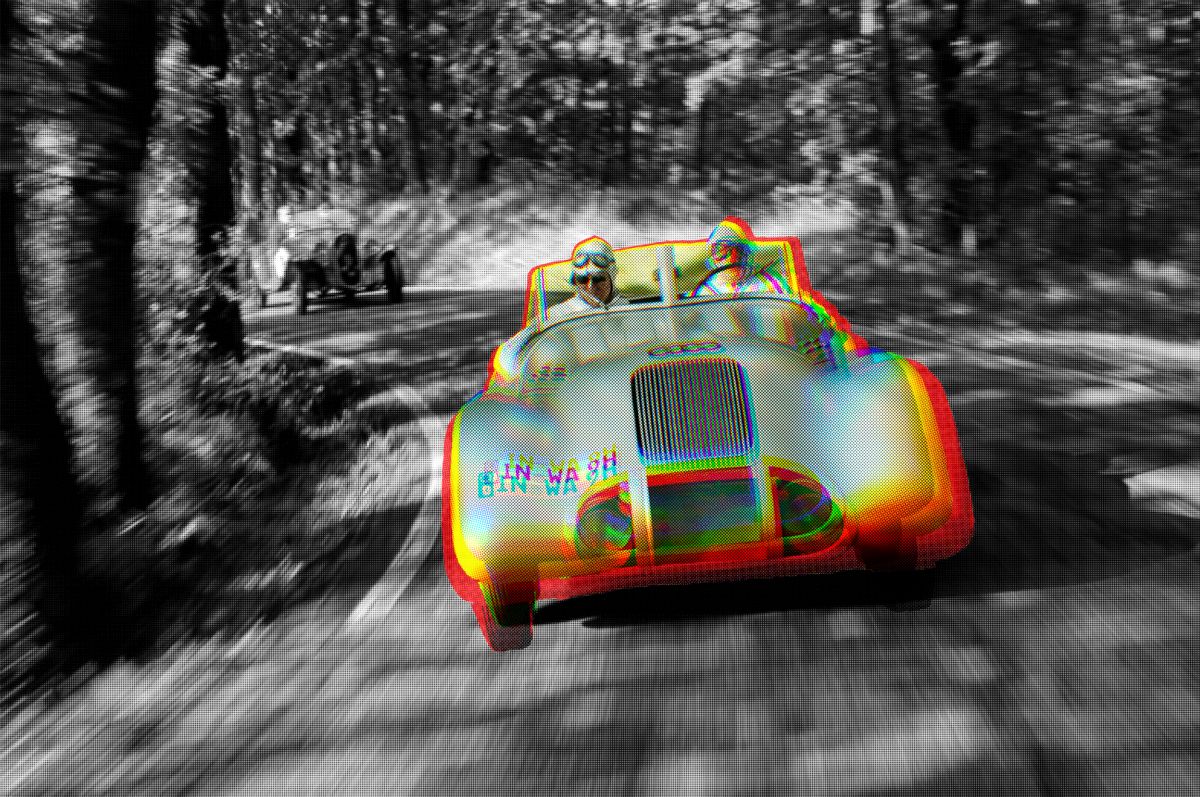
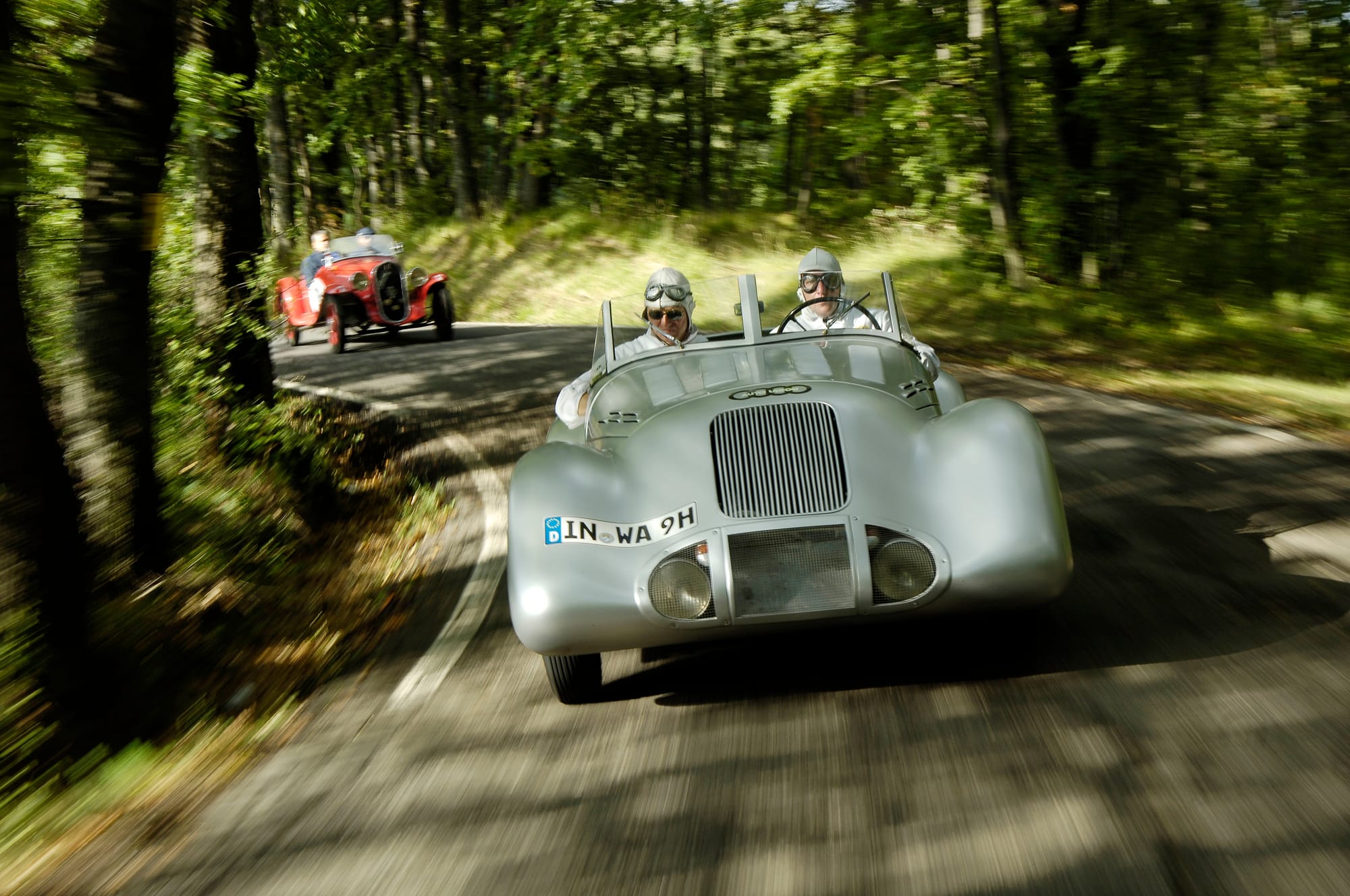
Cosplay – costume play – is a more and more popular way to spend one’s free time. Honestly, learning that Audi posthumously had three Wanderers recreated from nothing made me wonder: was all the trouble and expense simply to live action roleplay, er, larp, as a pre-Second World War race car driver?
Sure, heritage. Call it that. But Audi dumped the obvious best name among its four rings — Wanderer — and hasn’t resurrected it since. Hell, Audi’s China-only brand is AUDI, in ALLCAPS.
Great work, team, way to really phone that in when Wanderer has been waiting in the wings all this time.
As you probably know, before Audi became Audi, it was part of Auto Union, a German automotive conglomerate formed in 1932 from four manufacturers: Audi, DKW, Horch and Wanderer. Those four companies are represented by the four rings of Audi's familiar badge, but of them, Wanderer was the least sporting.
That changed in 1938, when Auto Union developed three lightweight, streamlined Wanderer sports cars to compete in the Liège-Rome-Liège rally, one of Europe's most demanding motorsport events.
Oh, you haven’t heard of the original Liège-Rome-Liège rally?
It was insane: covering approximately 4,530 kilometres (2,815 miles), the route took competitors through the Ardennes, Alps and Apennines mountain ranges on roads considerably less forgiving than those we know today. Drivers were expected to maintain an average speed of at least 50 km/h (31 mph), with the event running almost continuously for roughly 100 hours. Stopping was permitted for refuelling, but otherwise, competitors were expected to keep moving.
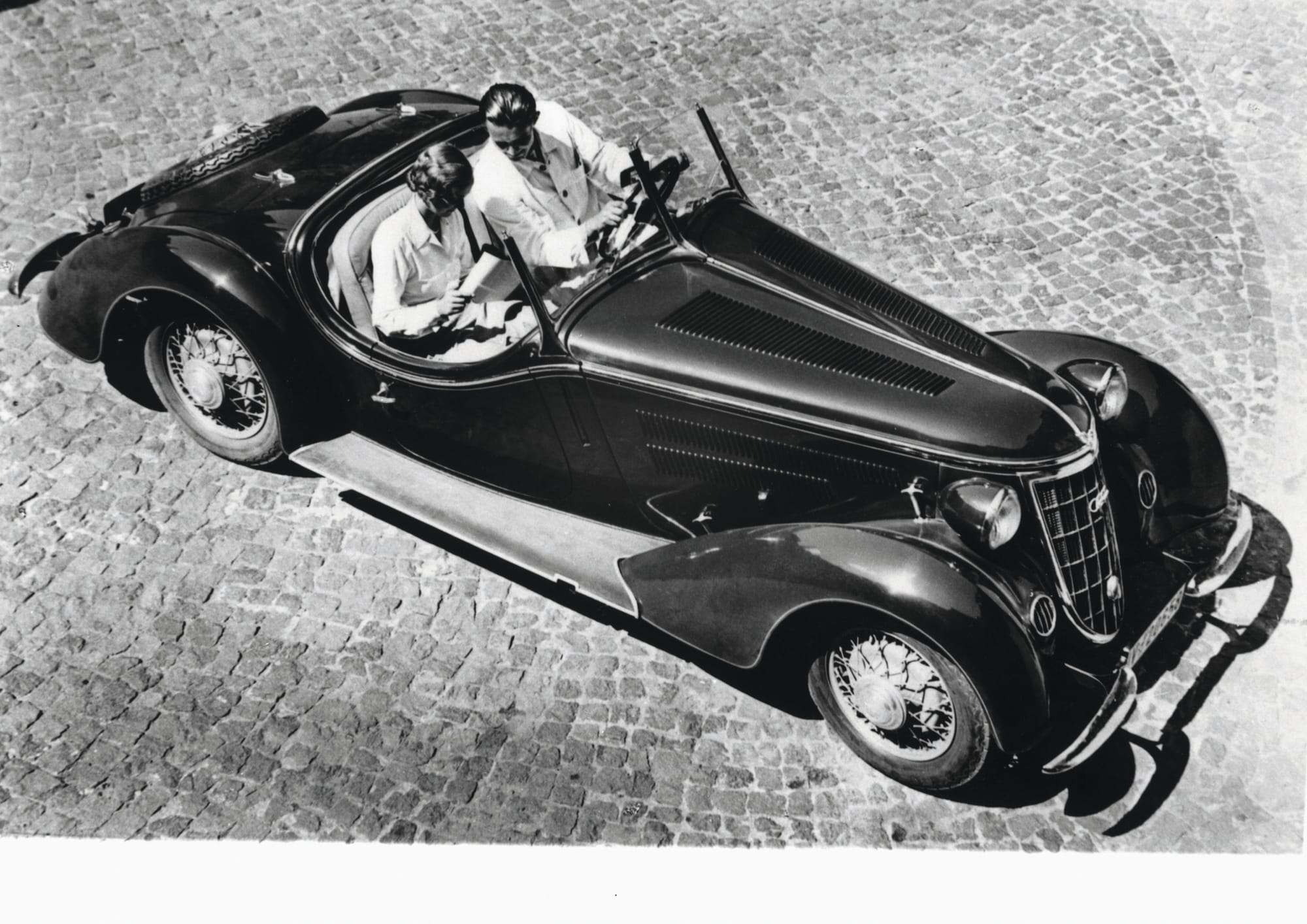
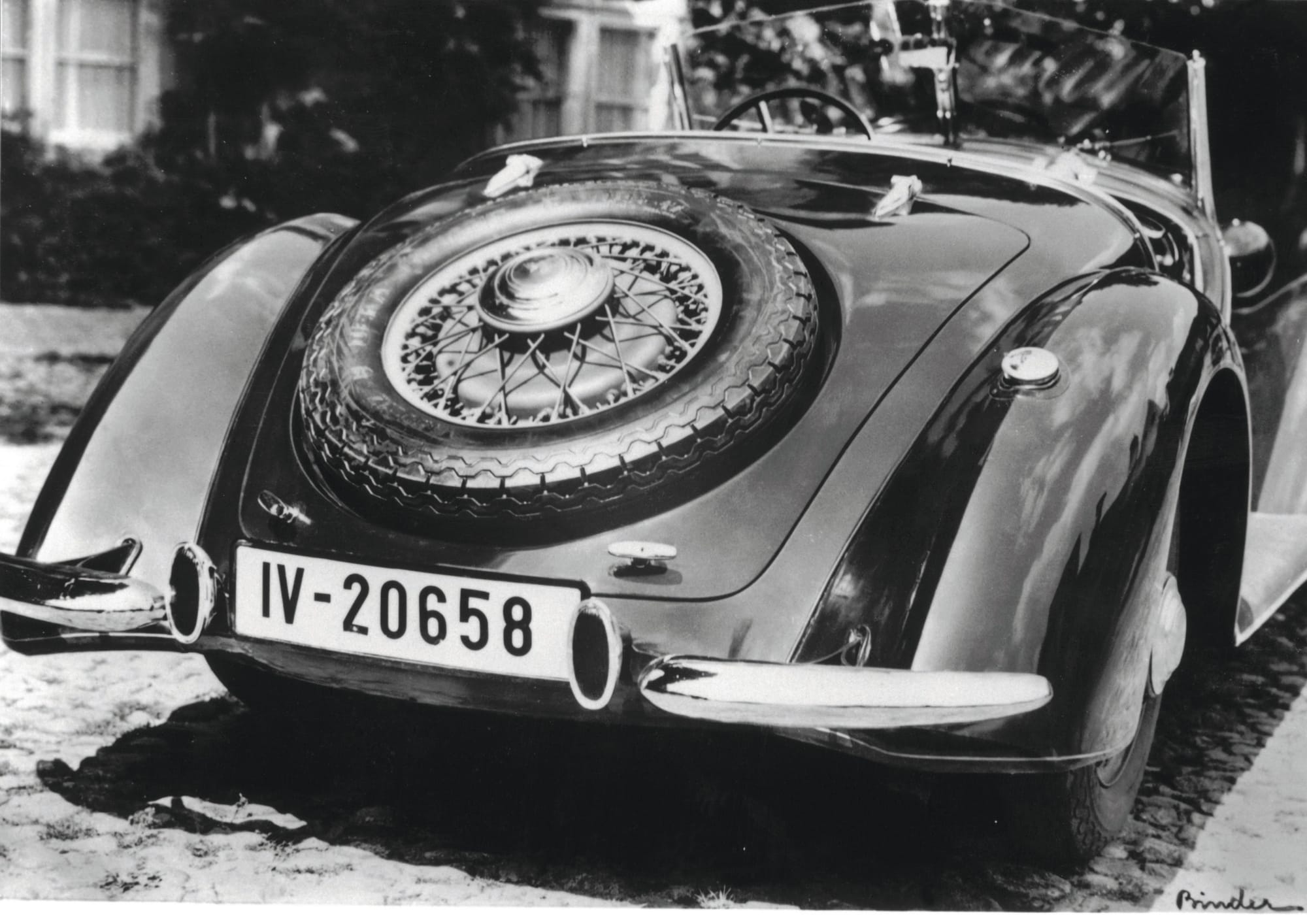
Wanderer’s standard-range W 25 models, front and rear • Audi Tradition
To meet this challenge head-on, the Wanderer Streamline Specials were based on the standard W 25 chassis, fitted with lightweight aerodynamic aluminium bodies and a 2.0 litre inline-six engine descended from a family of engines developed for Wanderer by Ferdinand Porsche.
Unlike the supercharged road-going W 25 K, the competition cars used three carbs and a sports camshaft to produce approximately 70 horsepower. That might not sound particularly impressive, but with a weight of just 900 kilograms (1,984 pounds) and significantly improved aerodynamics, the cars were reportedly capable of up to 160 km/h (99 mph).