Vespa 400
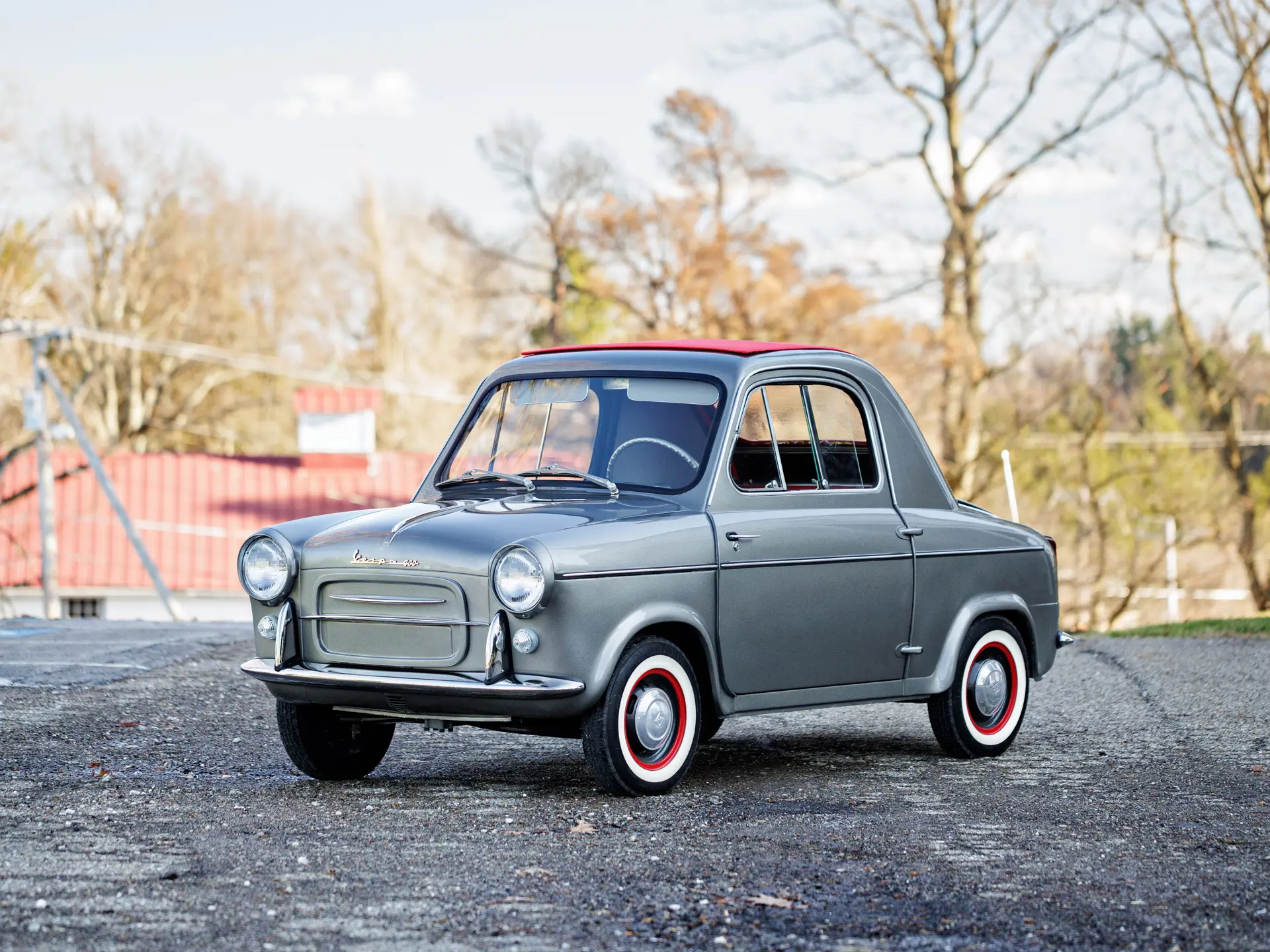
Weird Car of the Day #505: 1957 Vespa 400 – Iconic miss

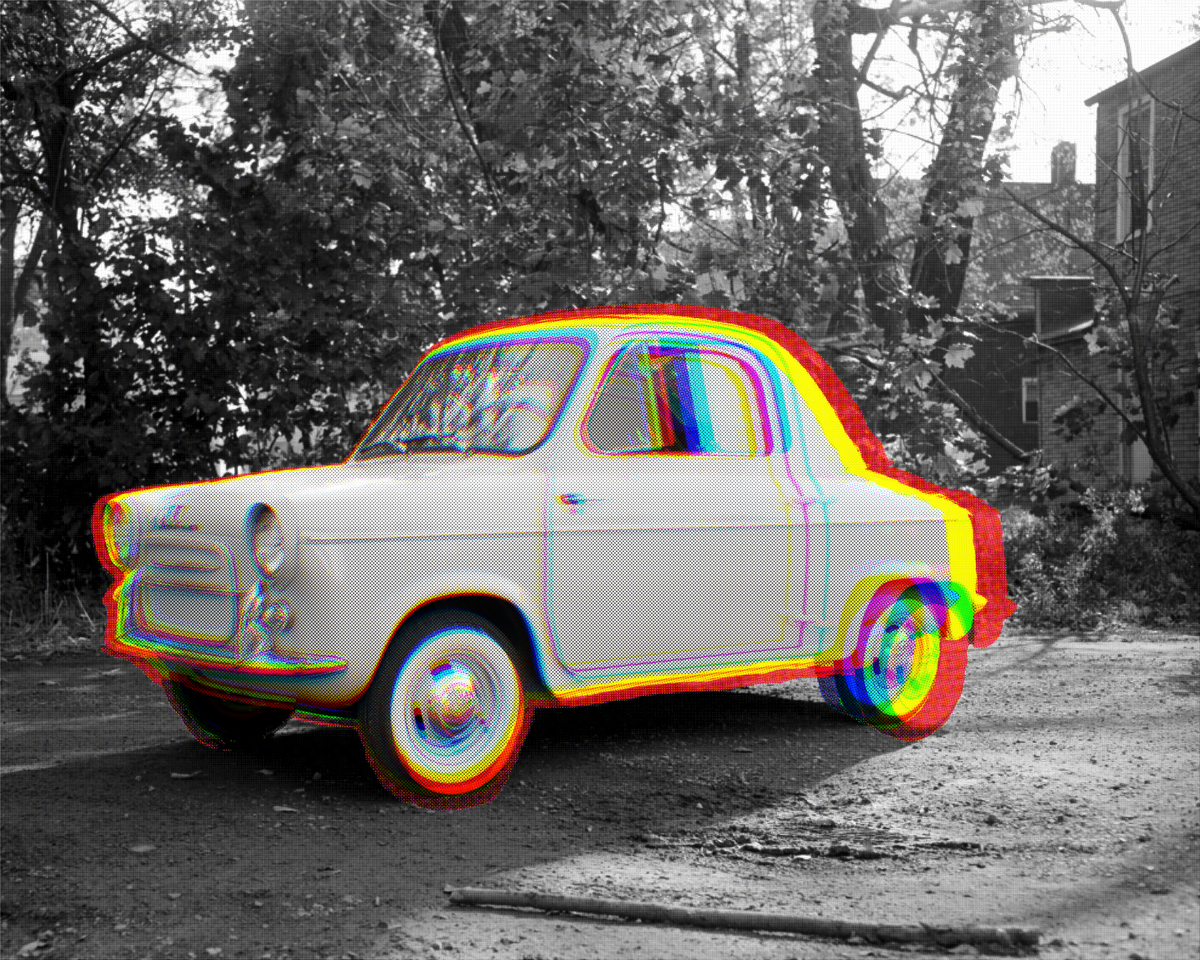
In the mid-1980s, Japan's bubble economy sparked an arms race among domestic carmakers to exploit every possible niche. When Japan (and its astute consumers) discovered retro cars, it was a turning point in automotive history.
Mazda, for example, had the ultimately successful idea of reworking the classic Lotus Elan into a modern sports car, the MX-5 Miata, released in 1989.
Daihatsu had retro-themed body kits. Toyota gave us entirely unique limited edition cars (Classic and Origin). Mitsubishi had the Pajero Junior Flying Pug. But no automaker went all-in on backdating its brand image like Nissan did.
From a series of dance-themed Nissan Micra (K11) models converted by Autech (Rumba, Bolero, Tango and Polka) to its 'Pike Factory' releases, for a time, few Nissans escaped the retro treatment.
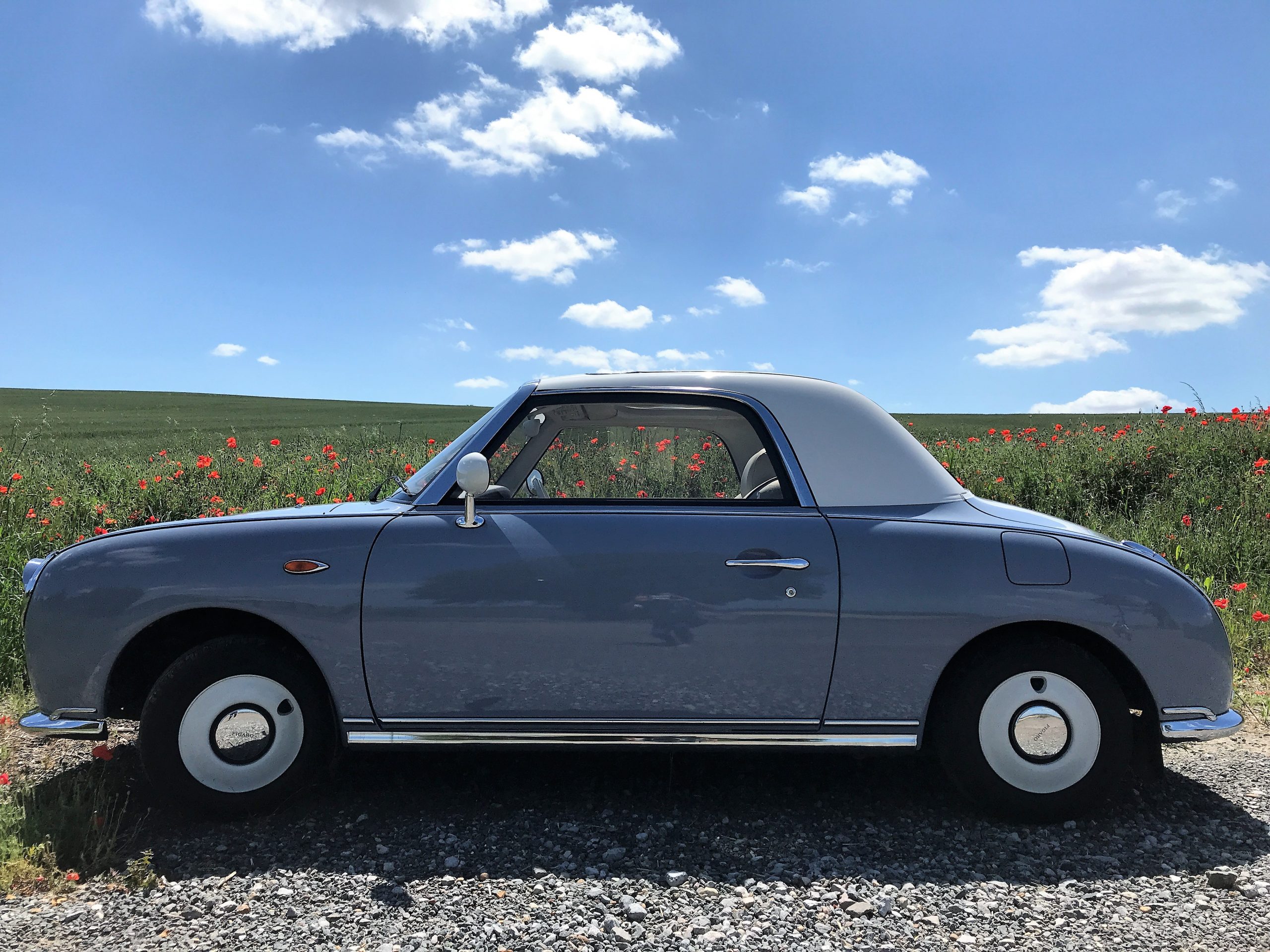
It's here I end this diversion by asking: aren't you glad the Nissan Figaro looks like a grown-up Vespa 400?
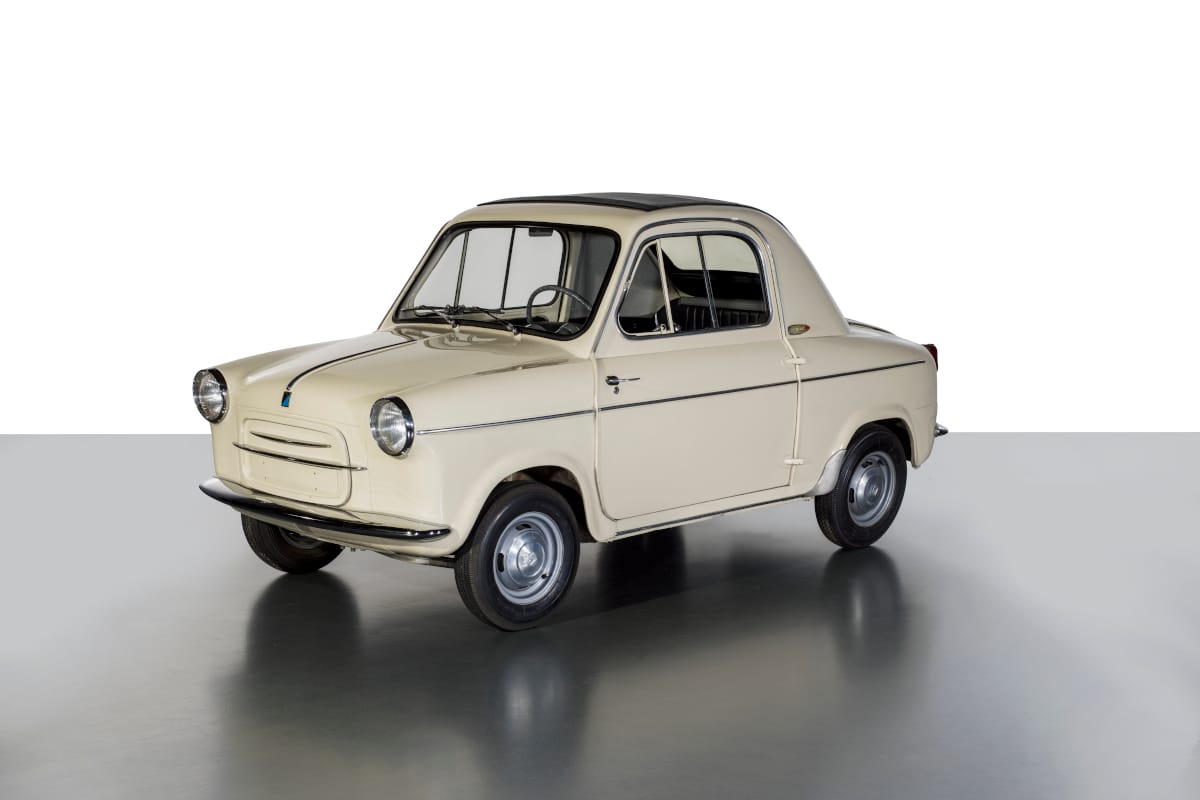
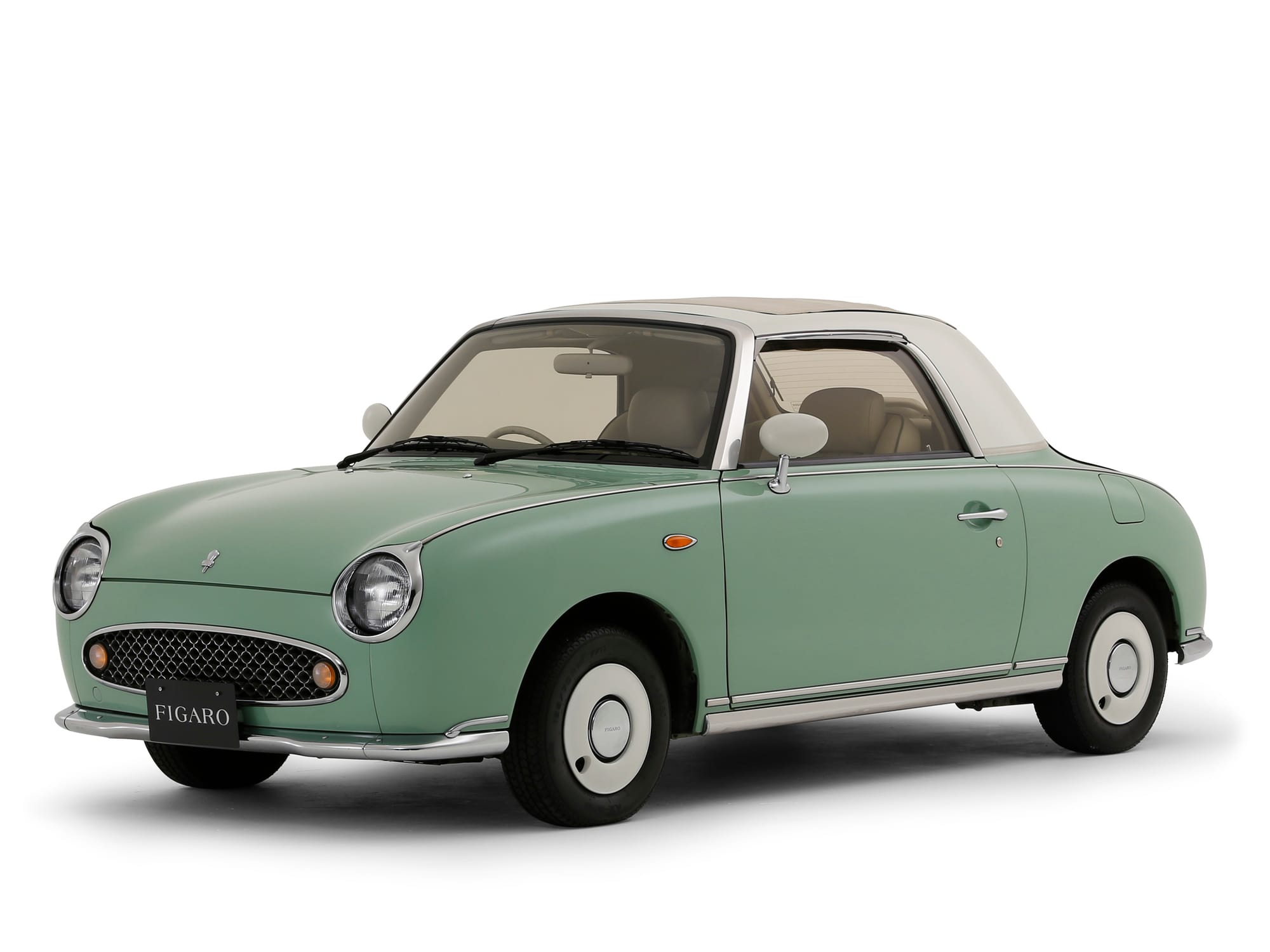
It's claimed that one of the Datsun (Fairlady) Roadsters was inspiration for the Nissan Figaro (centre), but if that's the case, they must have all grown from seeds that fell from a Vespa 400's tailpipe • museoauto, Nissan
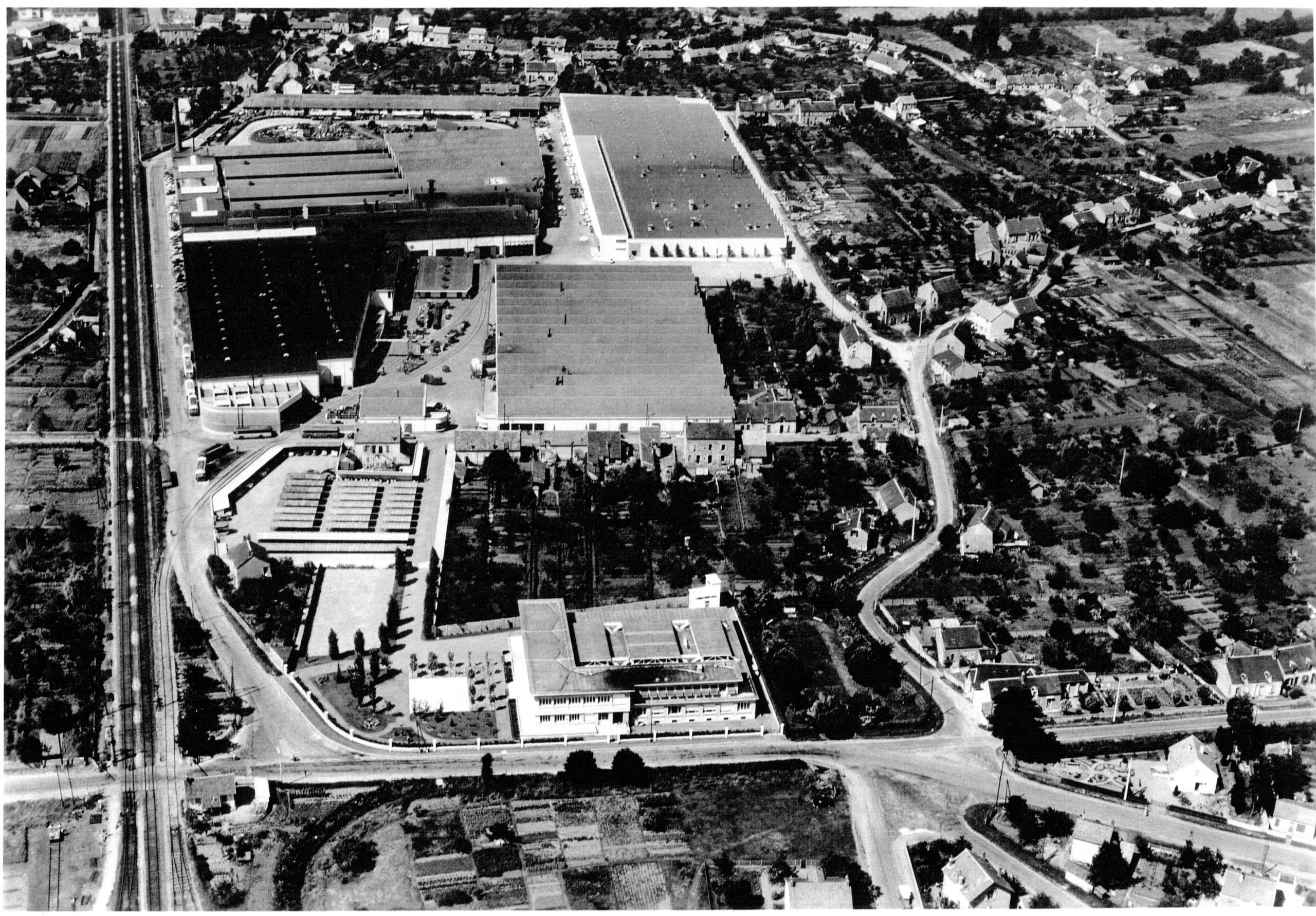
In fact, Vespa, through a subcontracted factory in France (Ateliers de Construction de Motocycles et d'Automobiles, or ACMA), made approximately 10,000 more 400s than Nissan made Figaros.
Truthfully, there's been no firm, on-the-record connection between these two cars. But what keeps this tiny Italian-French microcar endearing is precisely why cars like the Figaro get so much love today: they put a smile on everyone's face.
What made the 400 a failure in the early 1960s was its larger, faster, more practical and sometimes even more efficient competition—let us not forget, while it's a side road-only Sunday car show cruiser today, when new it was meant to be transportation for a small family.
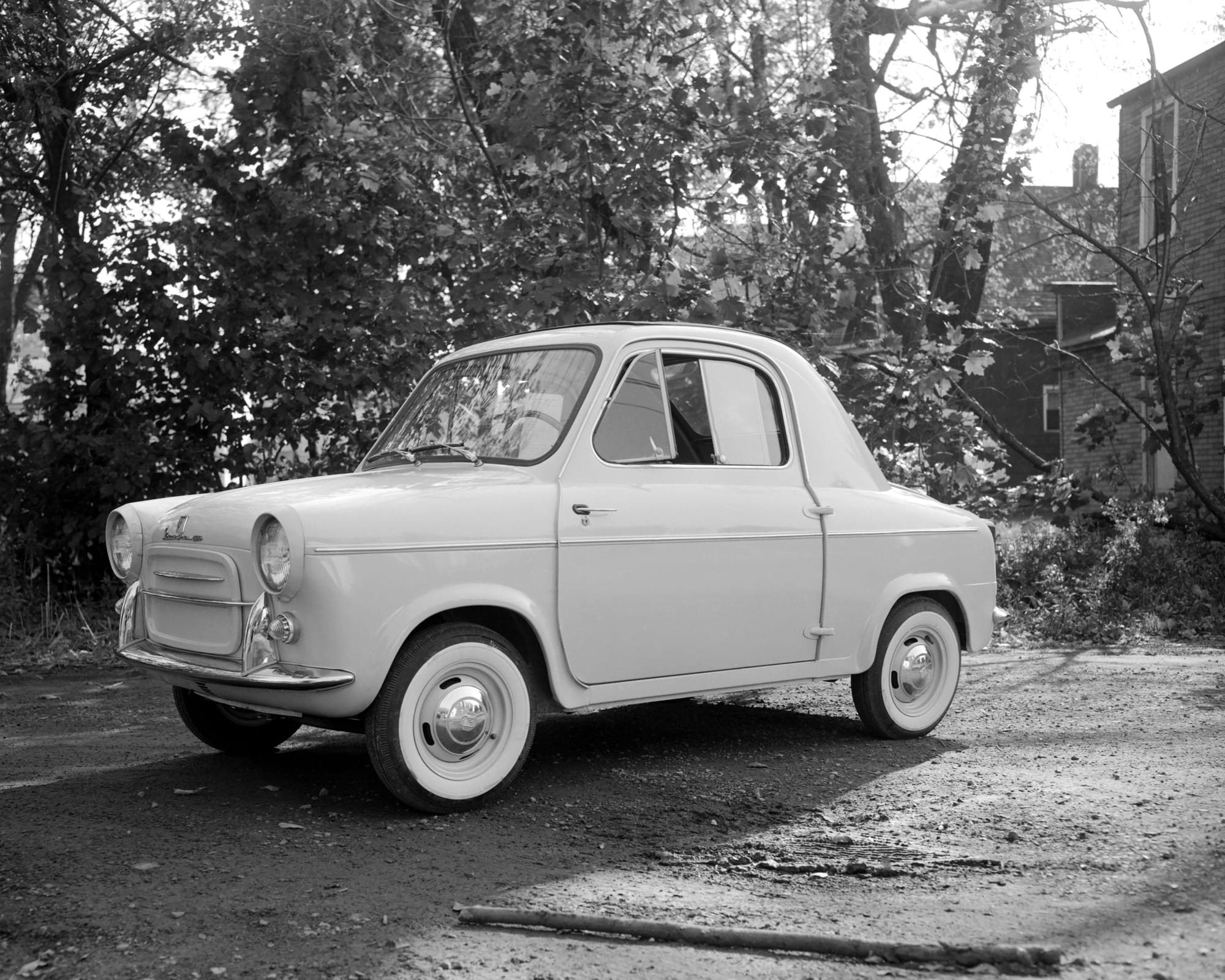
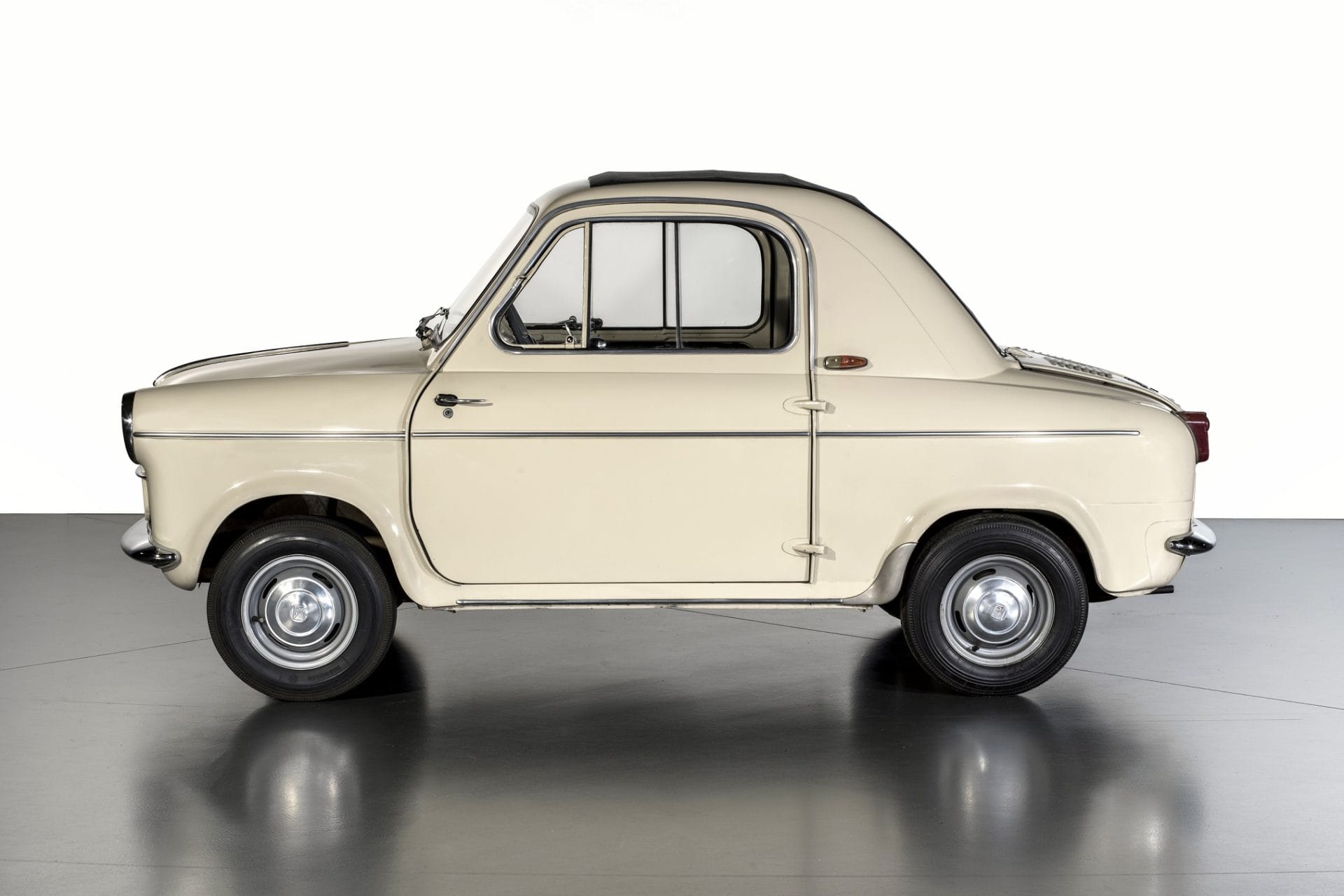
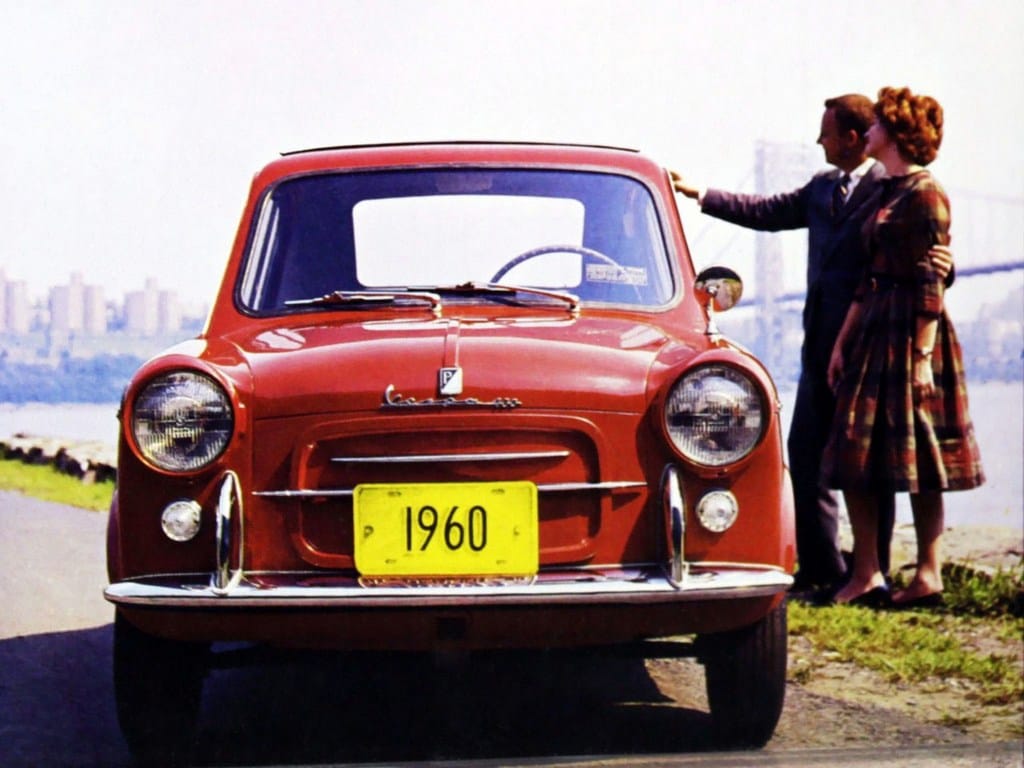
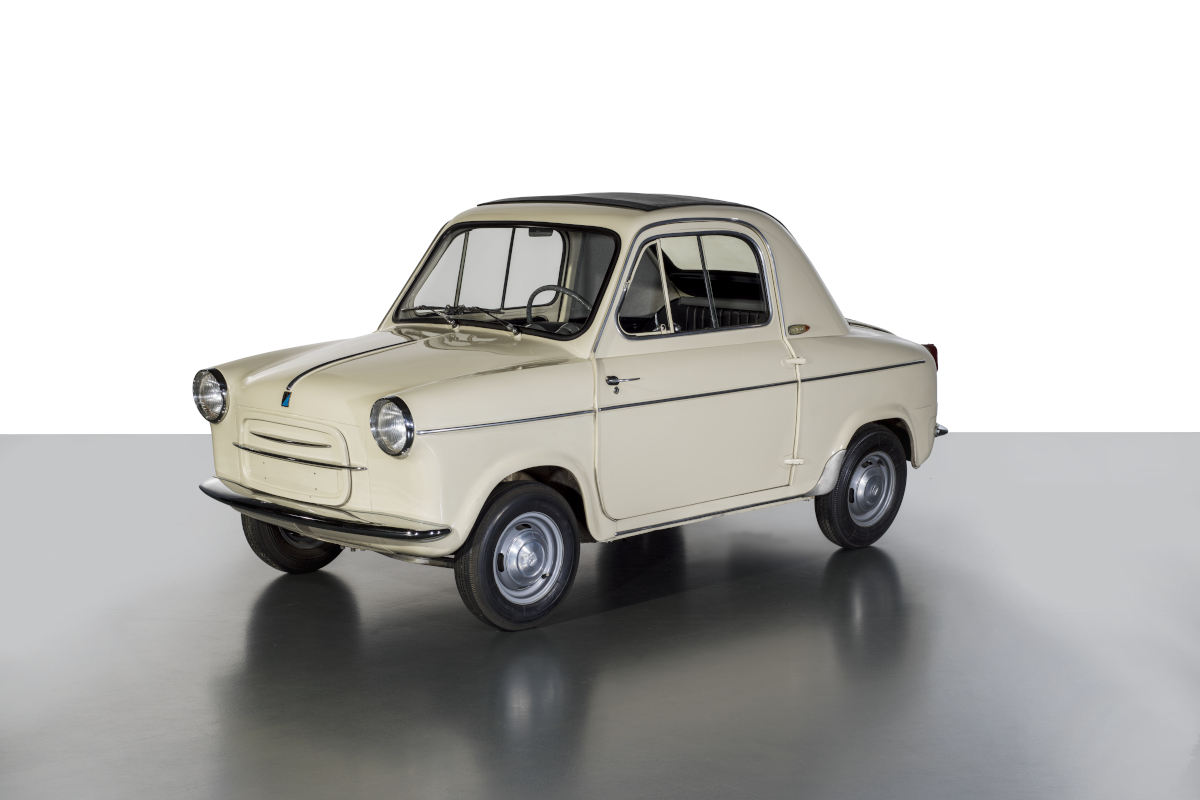
Vespa 400 publicity photos • Vespa, mauto, wheelsage
Imagine bringing one of these home from the dealer, and on the way home being passed by all the Citroën 2CVs, Renault 4CVs and Morris Minis that would have outperformed the tiny Vespa in nearly every way.
Borrowing from the marque's scooter experience, the 400 used an air-cooled two-cylinder, two-stroke engine mounted in the rear. Its 394cc of displacement is how they arrived at the '400' moniker.
Until you see a vintage microcar up close it's hard to undersell how unsubstantial and flimsy they look to modern eyes. Charming, but flimsy. There really is nothing to this car; it's a few sheets of metal pressed into simple shapes before being welded together into its final form.
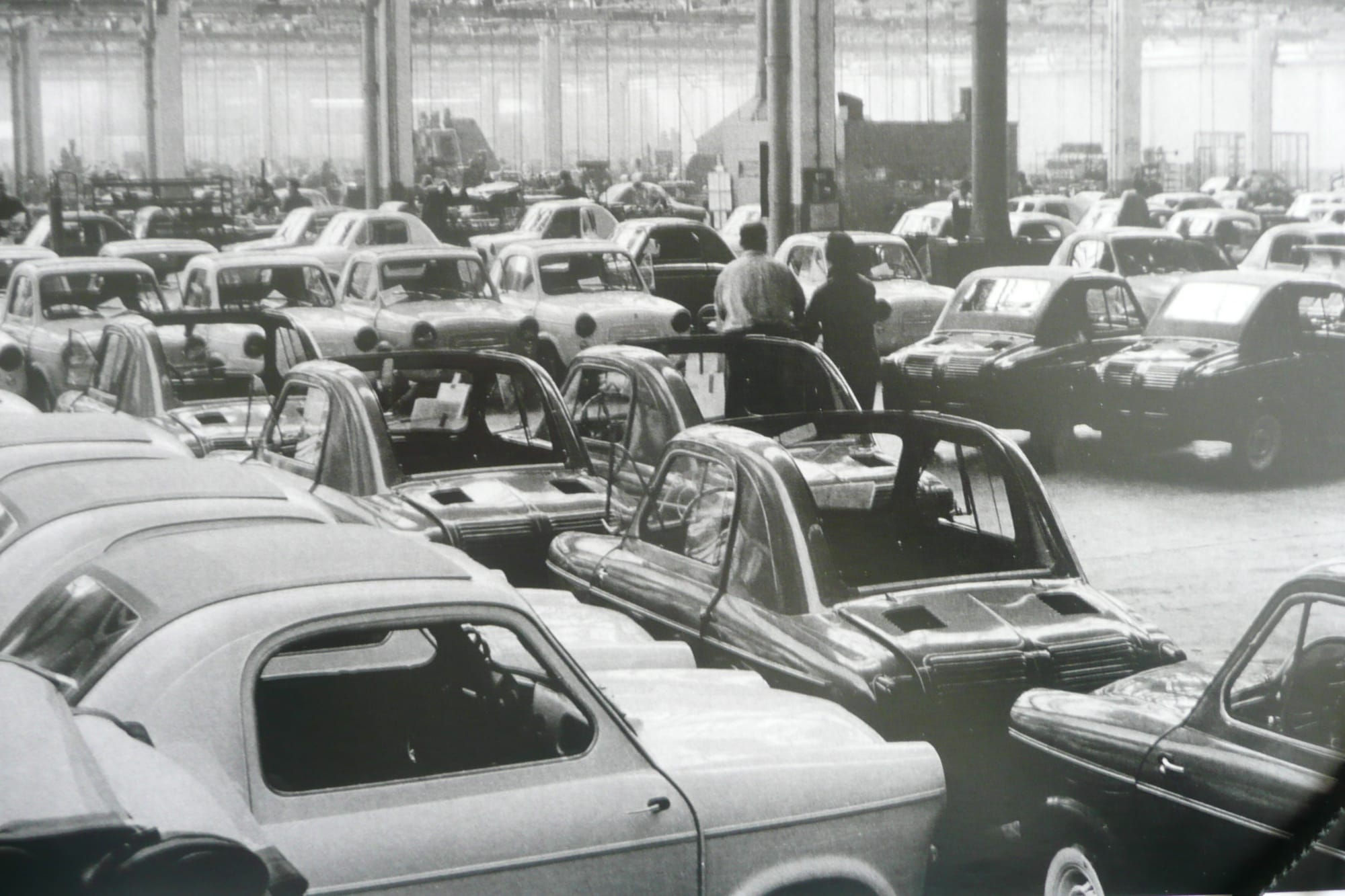
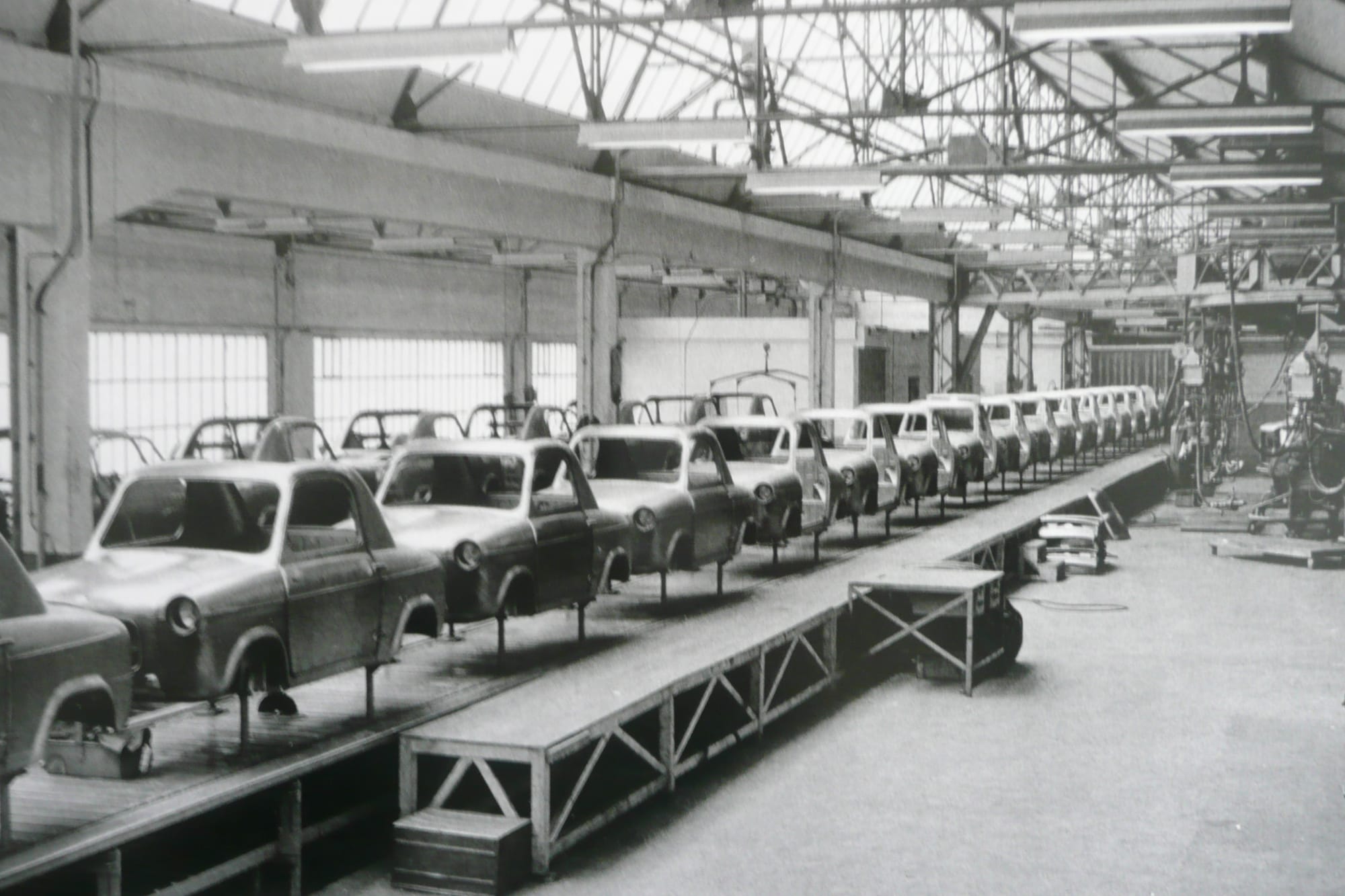
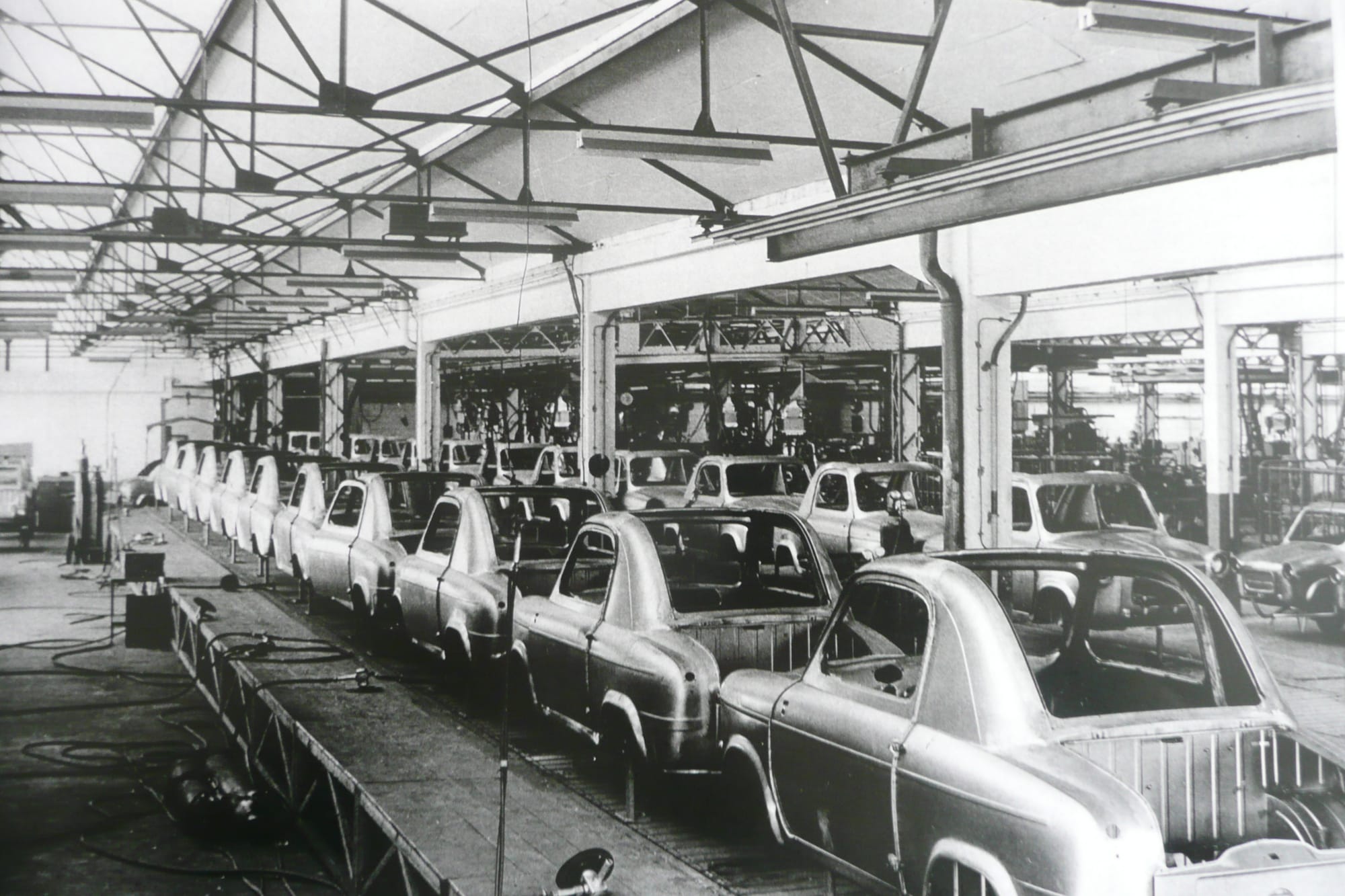
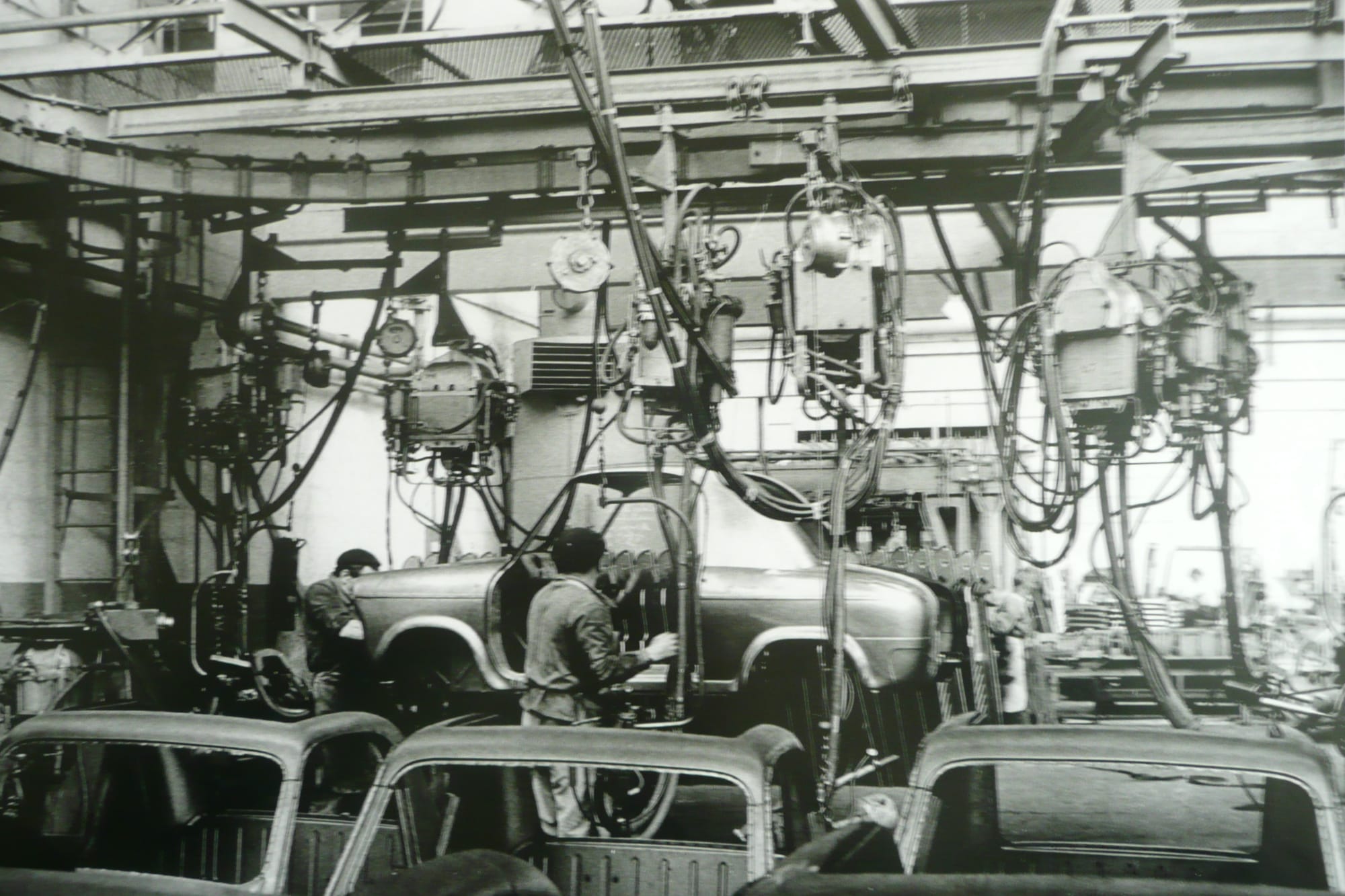
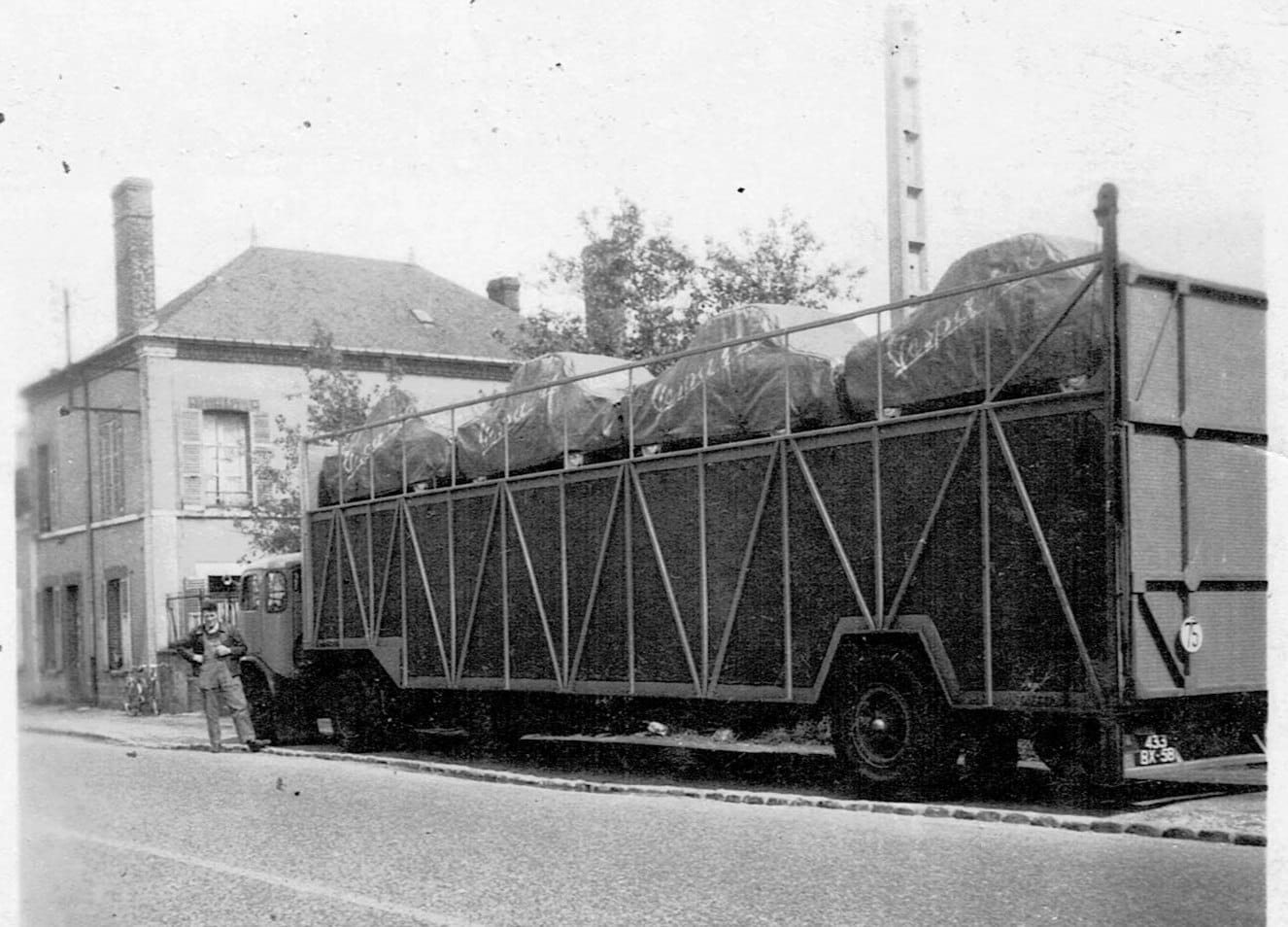
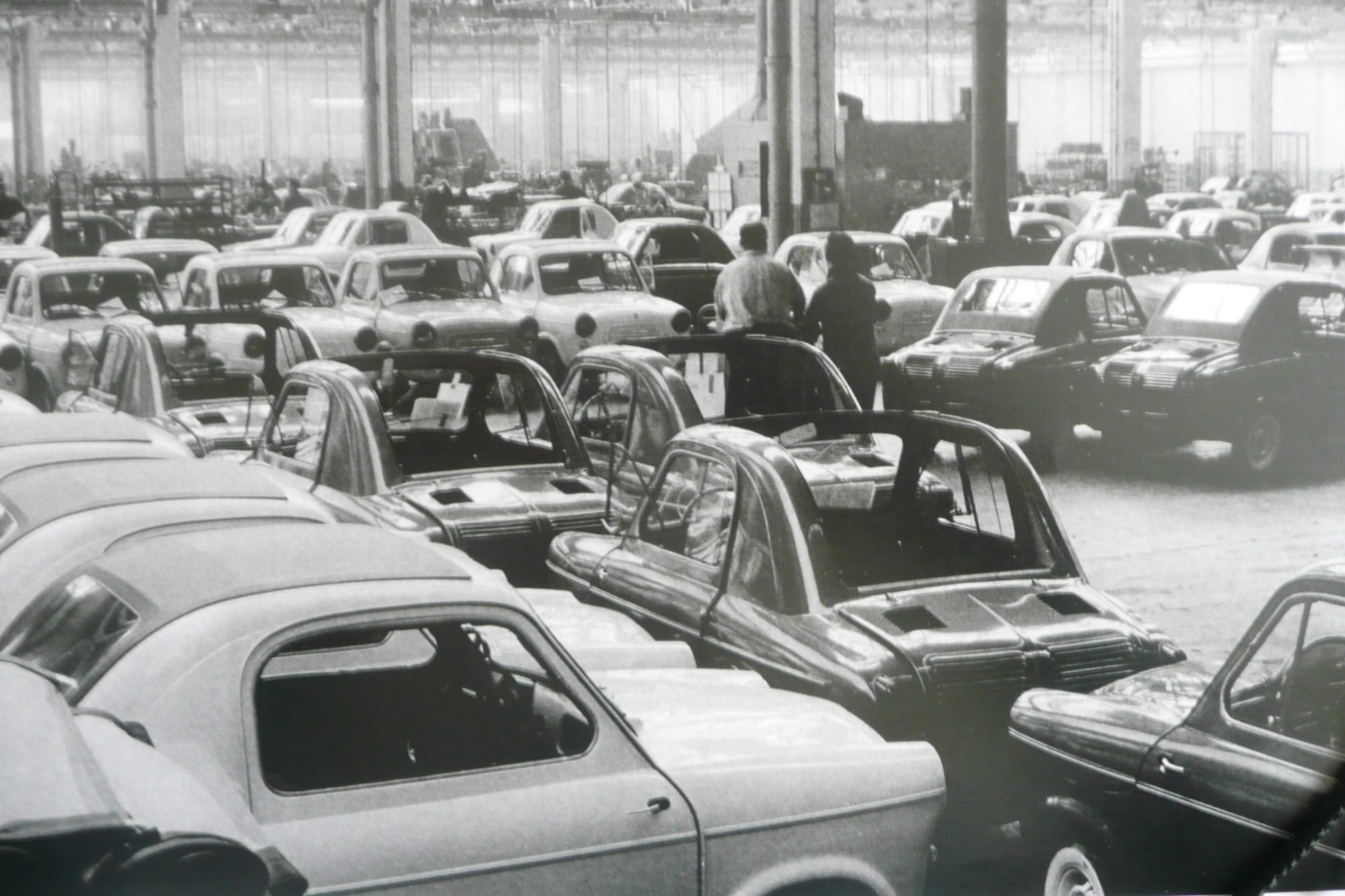
Historic photos of ACMA Vespa 400 production line and logistics • ffve.org
With one gauge cluster, no mirrors, radio, or extraneous exterior features beyond headlights and taillights, and little in the way of interior luxuries, if one car gets to be called a scooter on four wheels, I'll happily give it to the Vespa.
My favourite detail has nothing to do with its engine and everything to do with its front drawer-style trunk designed to swallow a battery.
Retracting to a space behind where the grille should be, it's as close to a car tongue that we're likely going to get.
With approximately 30,000 sold and no successor, this charming little microcar is an endangered species worth protecting—we need all the good vibes we can get.
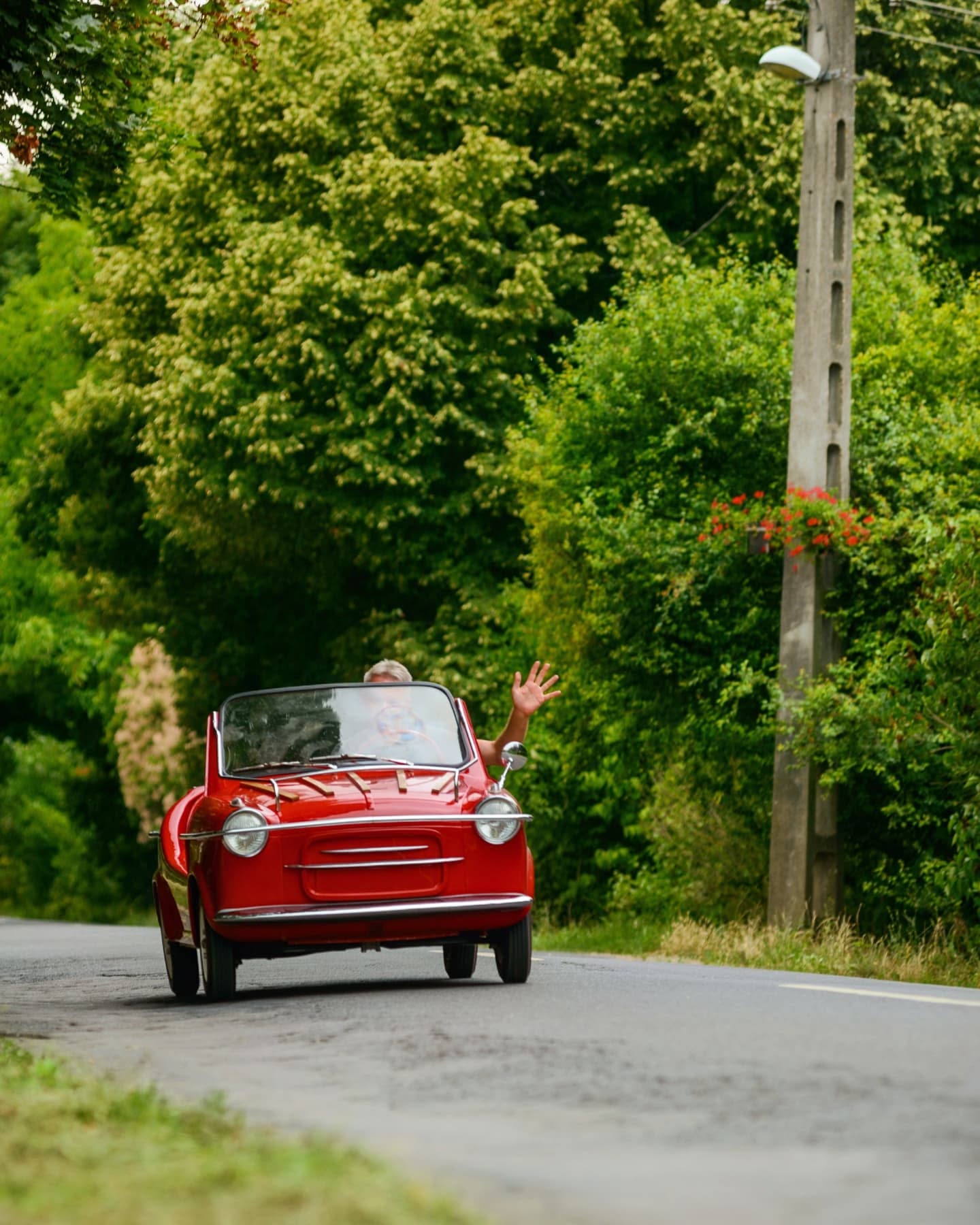
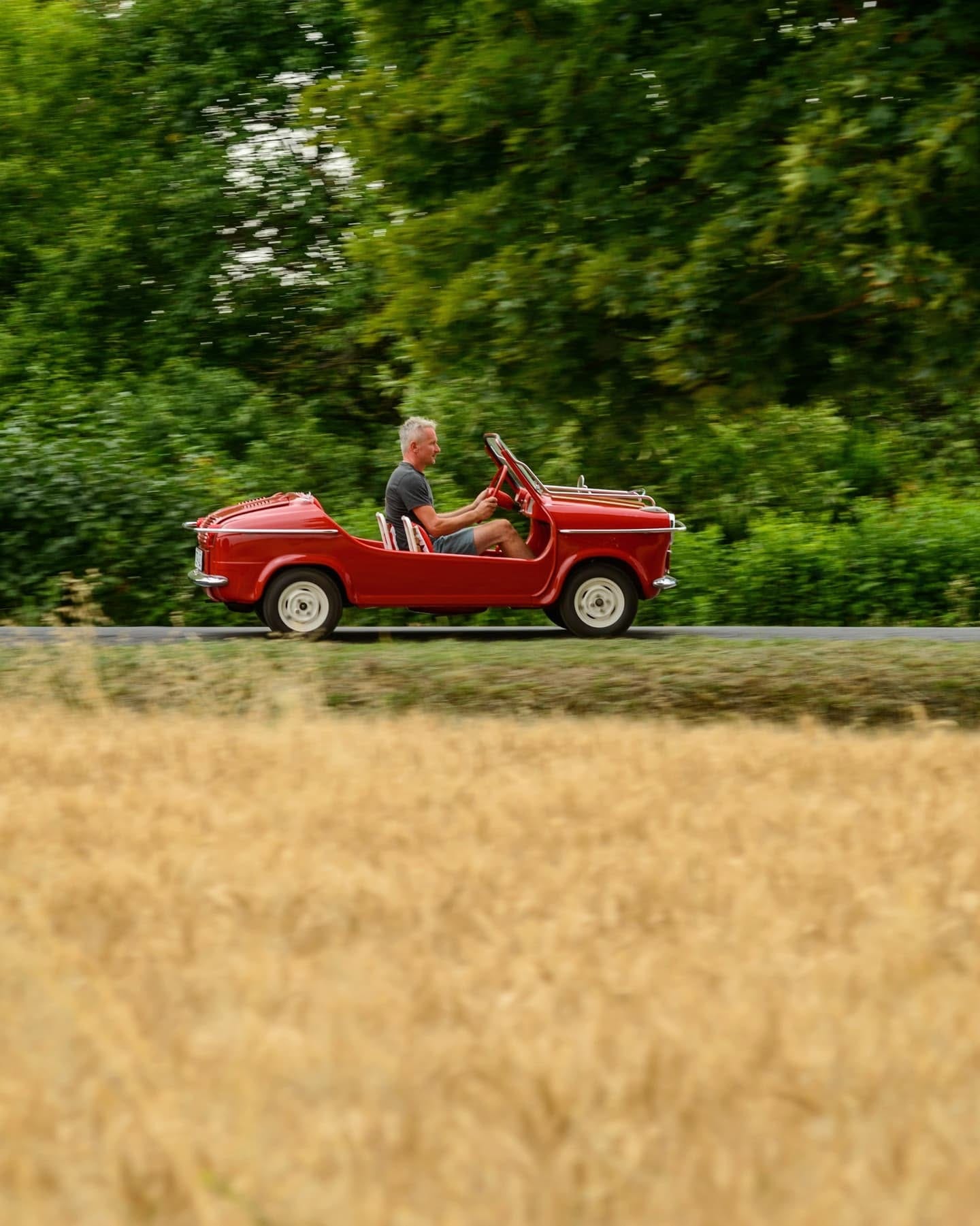
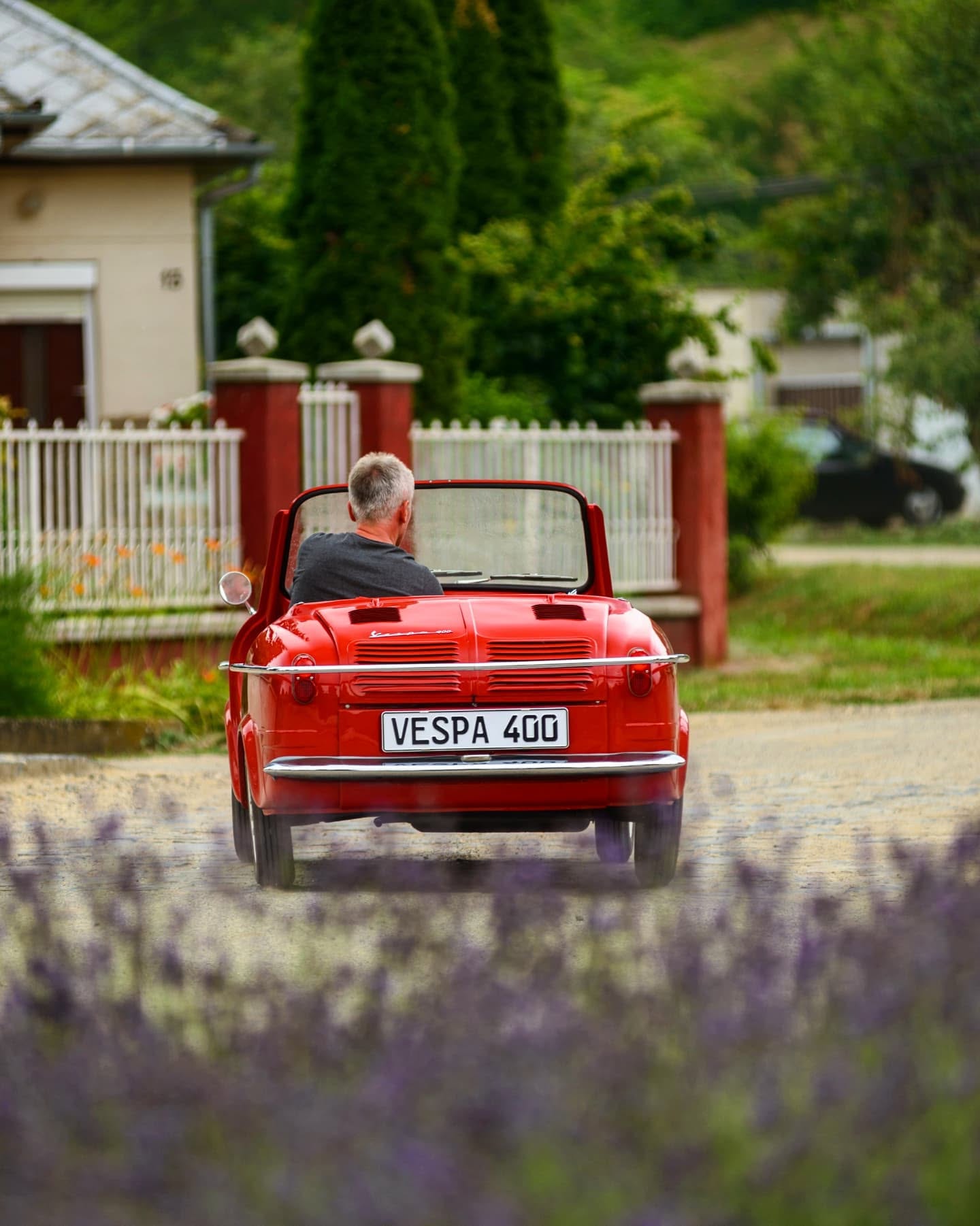
Bonus weird car points go to coachbuilder Pichot & Parat's jolly take on the Vespa 400 with fully open bodywork and a chrome rub strip that protects the car's front and rear fascias. Charming and elegant, sure, but once you remember where the car's tongue is, I have two words for you: orthodontic headgear. • via Máté Boér Photography on Facebook, give him a follow!
Sources
 Lalita Chemello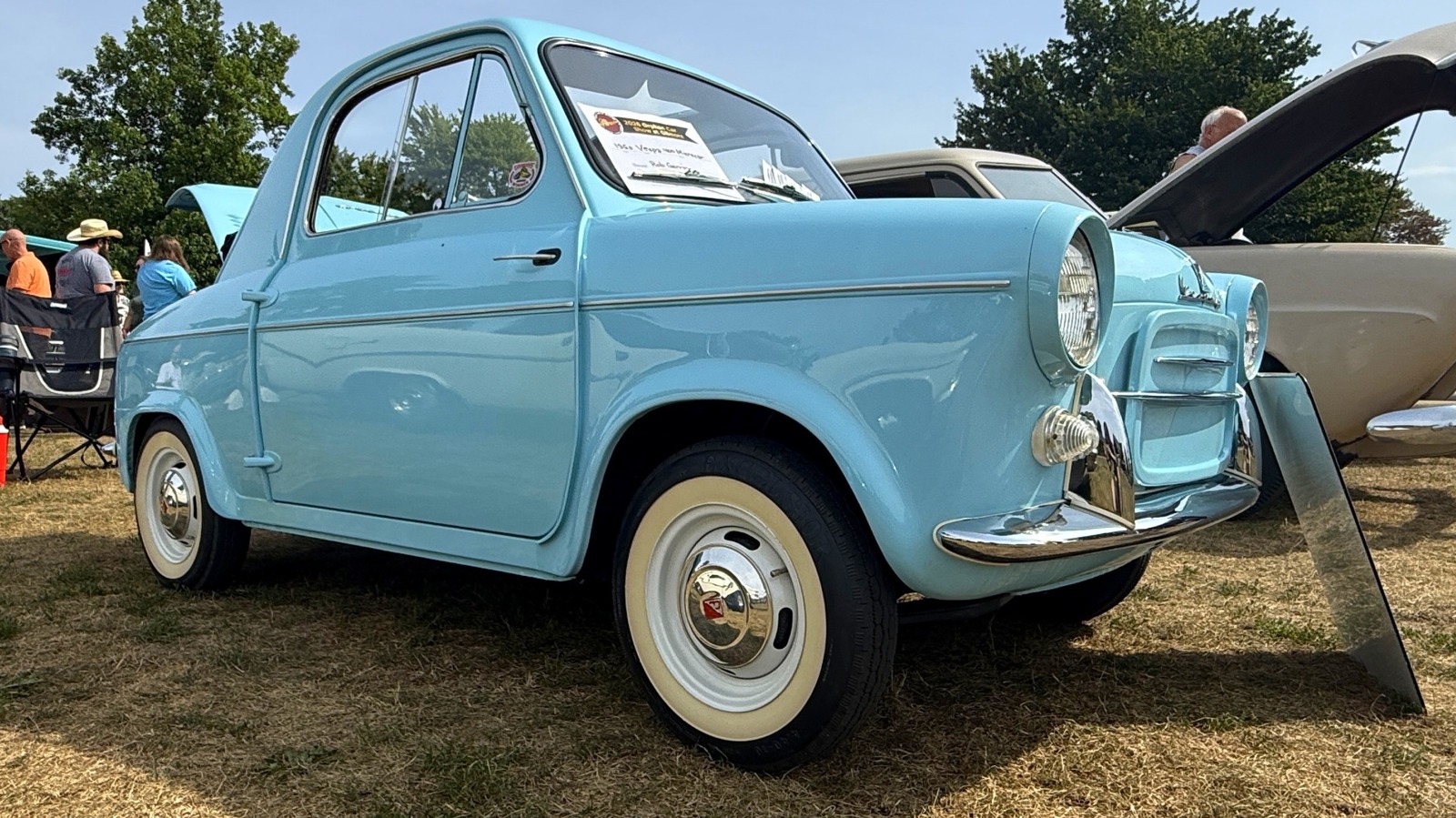
Great overview of the car by friend of WCOTD Lalita Chemello at Jalopnik!


 Contributors to Wikimedia projects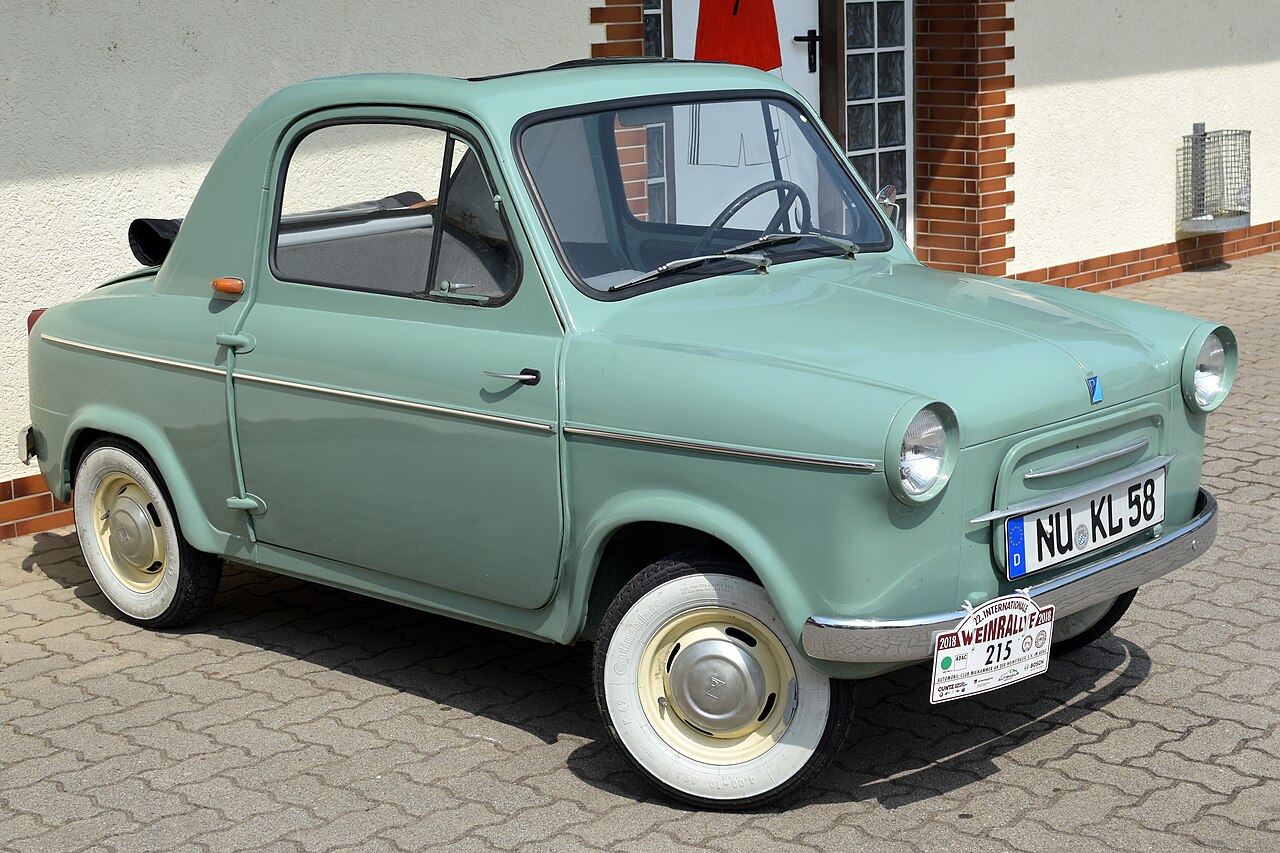
 Máté Boér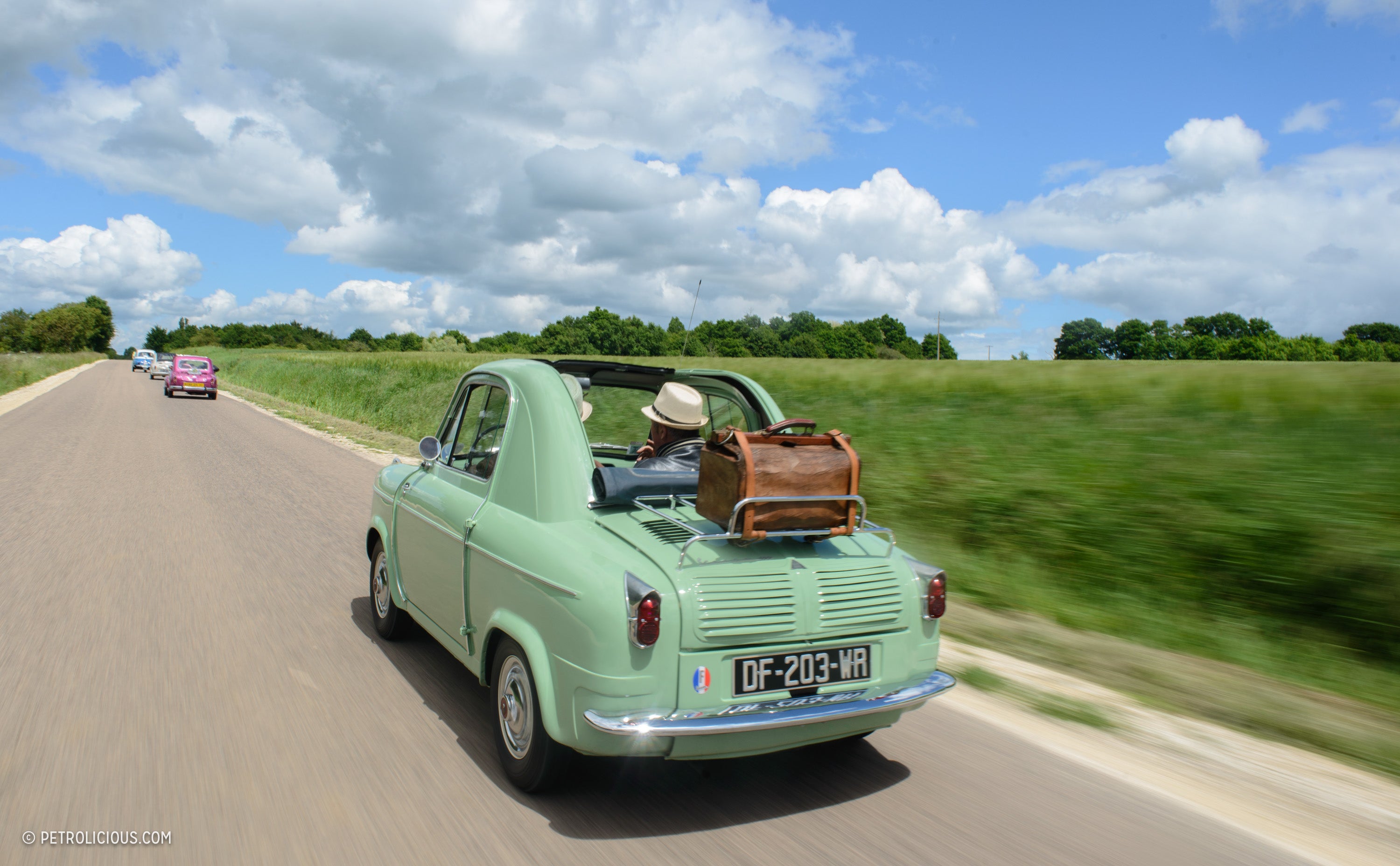



 Oliver Parmenter