Yamaha Ami
Weird Car of the Day #525: Yamaha Ami by YM Mobilemates – Tiny 'tude

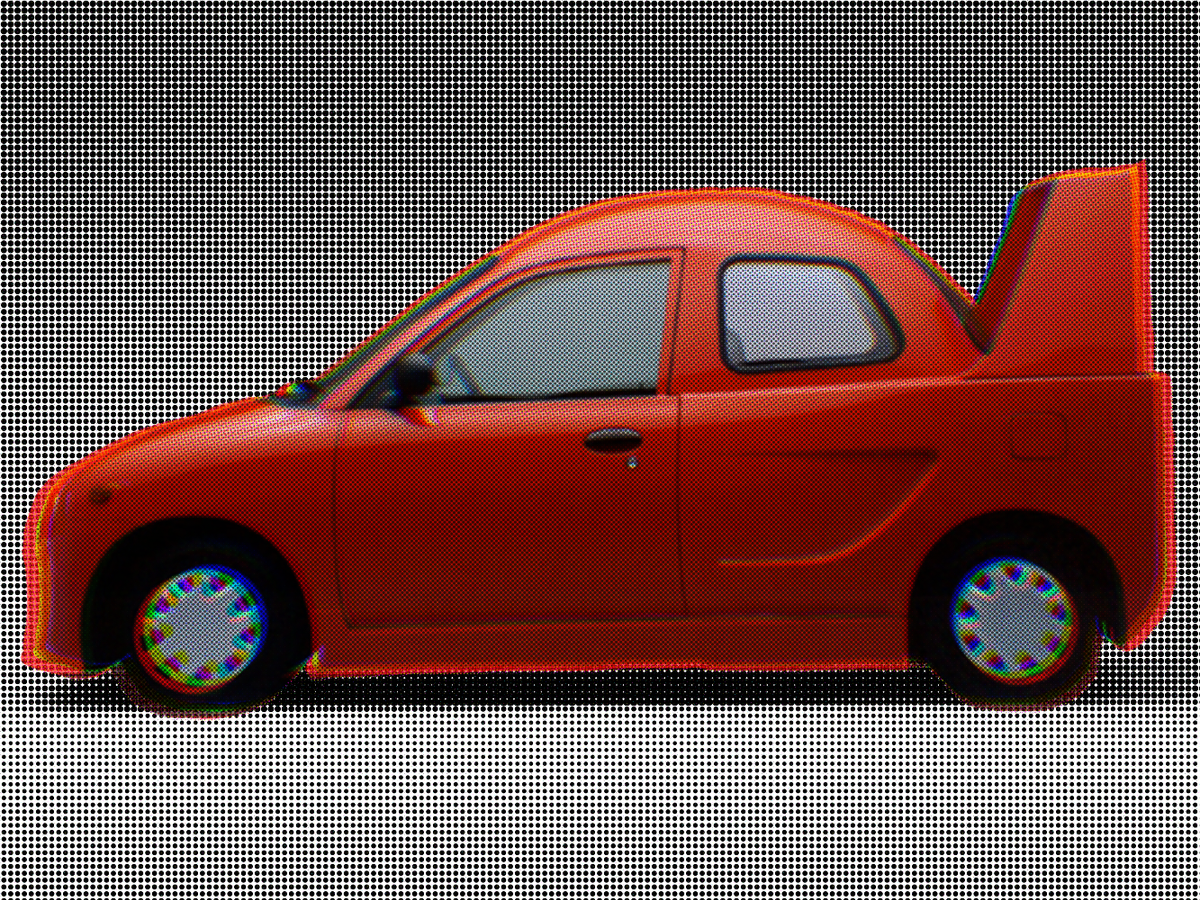
Today's article will be a short but notable one.
Not only is the Yamaha Ami rare, as exact production numbers remain slightly mysterious, but its unlikely form and construction make it, surely, one of the most bizarre kei cars of all time. First, let's clear something up. The Ami wasn't really a Yamaha in the usual sense. It was created by YM Mobilemates, a Yamaha Motor internal-venture company established in December 1996 specifically to manufacture and sell original custom cars.
Its first and rather memorable product arrived just two months later.
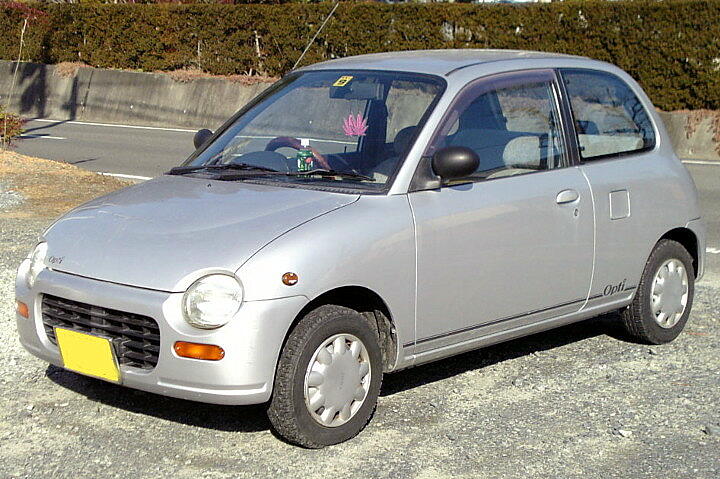
Underneath was the first-generation Daihatsu Opti, itself a more stylish kei car sharing much with Daihatsu's Mira. The Opti had been designed primarily for younger female buyers, with rounded styling, big eyes and the general demeanour of a Pokémon who had just become sleepy from a snack.
YM Mobilemates looked at that and, bless their hearts, saw a supercar.
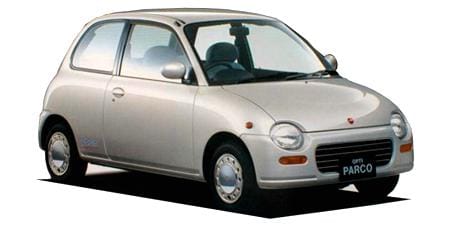
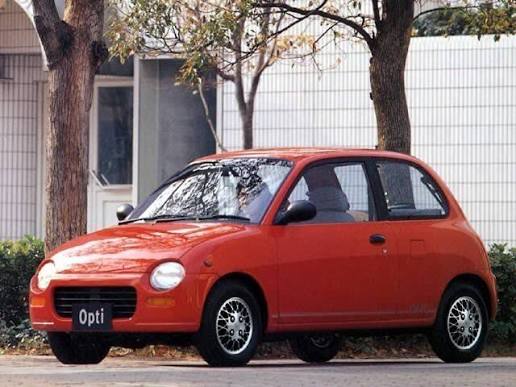
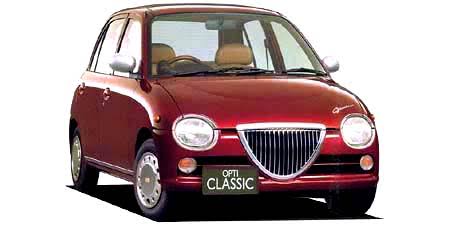
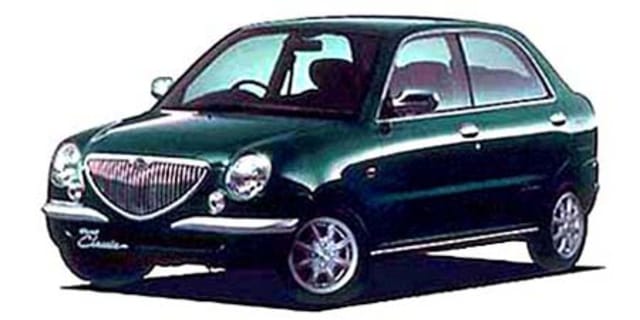
Clockwise from L: Daihatsu Opti Parco, Opti, Opti Classic Sedan, and Opti Classic — the one with the Joker grin • Daihatsu
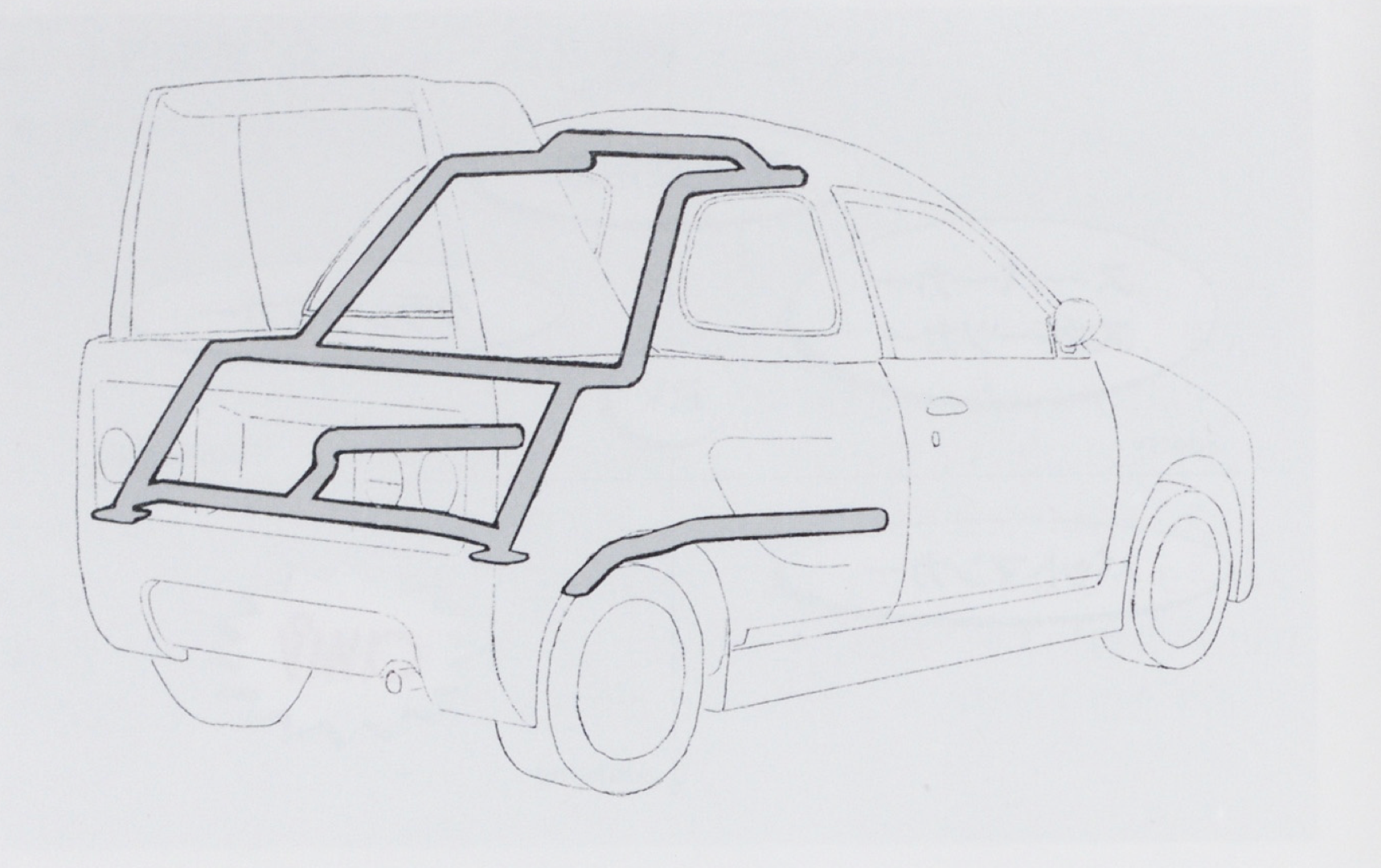
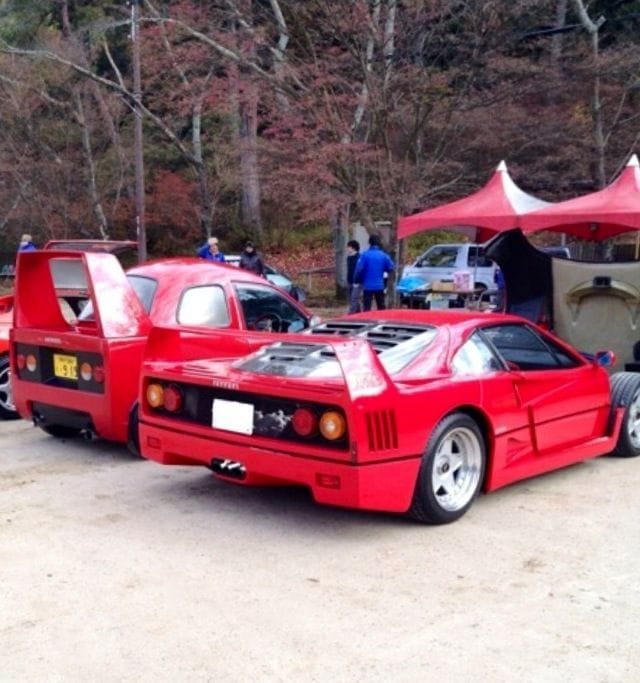
The result was the YM Moblemates Ami, but let's call it a Yamaha Ami: a Ferrari F40-esque, full-size Choro-Q interpretation with four round taillights, an enormous rear wing, fake mid-engine air intakes and a rear end with no opening hatch whatsoever. Instead, Yamaha reinforced the structure with what it called an RIF—Rigidity Improving Frame—and fitted an FRP body, polycarbonate quarter and rear windows and enough aero furniture to make a 42-horsepower kei car look profoundly optimistic.
Optimistic…Opti…huh.
No, 42 horsepower isn't a typo.
There were actually three Ami specifications. The T1 retained the Opti's 659-cc SOHC three-cylinder and 42 PS; the T2 upgraded to the 55-PS DOHC engine and nicer upholstery; and the T3 added a tachometer and sport suspension. All remained front-engined and front-wheel drive. Prices ranged from ¥2.15 million to ¥2.545 million, serious money for a kei car in 1997.
Here's where it gets even stranger.
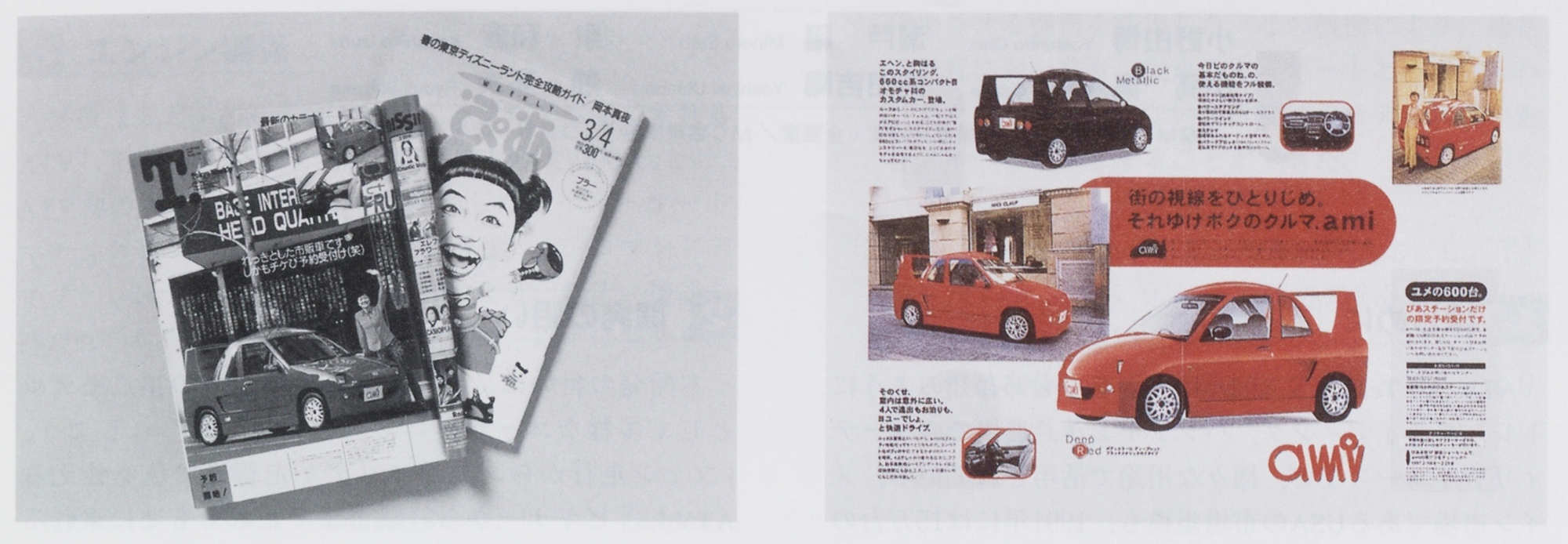
Yamaha intended Ami to be a 600-car, handmade, built-to-order limited series. Market research found an oddly receptive audience among readers of Weekly Pia, an entertainment magazine, so YM Mobilemates partnered with Pia to sell the thing. Interested customers contacted Ticket Pia and placed their reservation at one of 15 Pia Stations around metropolitan Tokyo. YM Mobilemates then handled the contract, while partner dealers handled delivery and service.
You could essentially buy a Yamaha F40-shaped Daihatsu by calling a concert-ticket company, and if that's not weird, nothing is.
As for how many people actually did: stories circulating that only three were made appears to be too confident. Contemporary Yamaha material confirms a 600 car plan, but doesn't give a final production total. Later Japanese reporting generally says only a handful were sold; one Best Car investigation put the total below ten and believed three examples still survived.
So there may really be three of them around…not necessarily only three ever built. As always, if you're harbouring an Ami or have something to add, please get in touch…
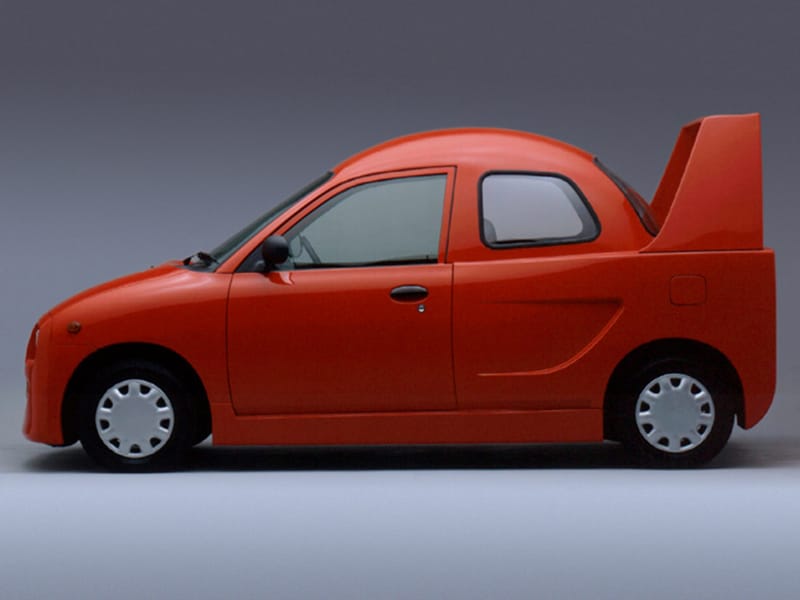
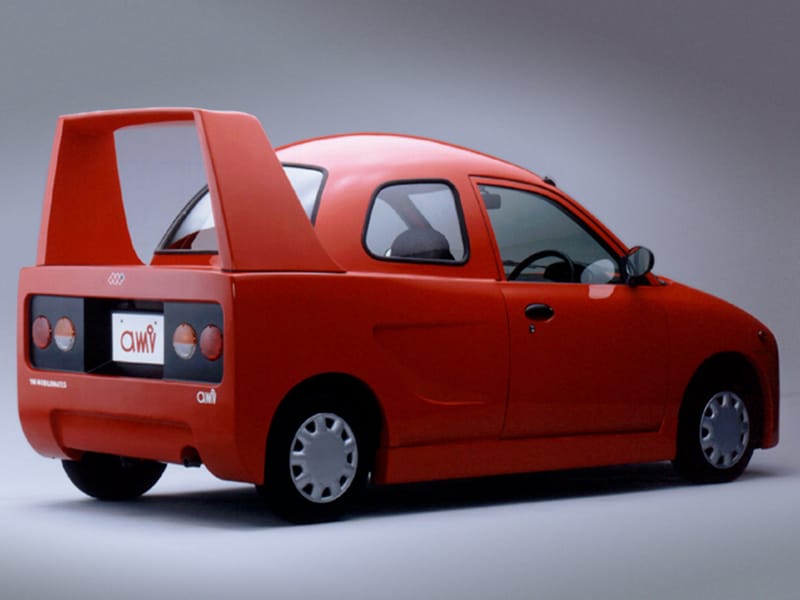
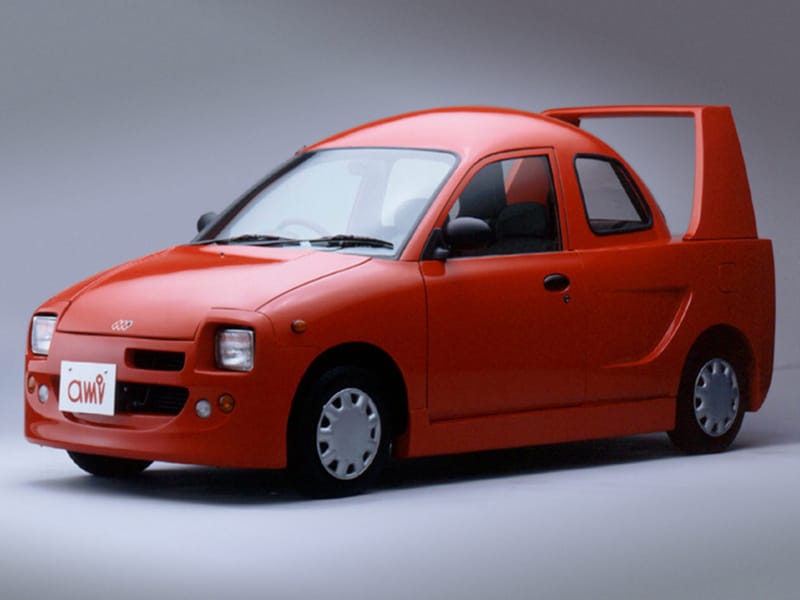
Yamaha Ami, official media shots (yes, really) • Yamaha
Sources



 ベストカーWeb編集部オオハシ
 Contributors to Wikimedia projects
 Mihnea Radu