IAD Alien
Weird Car of the Day #500: 1986 IAD Alien – Scale supermodel

To me, it feels like the future could happen tomorrow, up until the moment I realize it already happened.
For example: past generations were wow'd by Dick Tracy's two-way radio wristwatch, first drawn in the 1940s. In 2026, tech companies are haplessly scrambling to discover the final nooks, crannies, and subscription models to stuff AI-informed recording devices into. When, exactly did this niche fiction become lived fact?
For a long time, power windows were reserved for only the most extraordinary, resplendent concept cars. Now we have power-sliding pocket windows on pickup trucks, power-unfurling rear cinema screens on Chinese minivans, rear power suicide doors on the Ferrari Purosangue SUV, plus the ability to send battery power from modern EVs to power hot water heaters and privacy-wrecking home assistants.
The pace has only accelerated, and the auto industry now swirls between "the future is incredible" and "thanks, I hate it".
Maybe the best way forward is to side-step the "future" part entirely and go off-world?
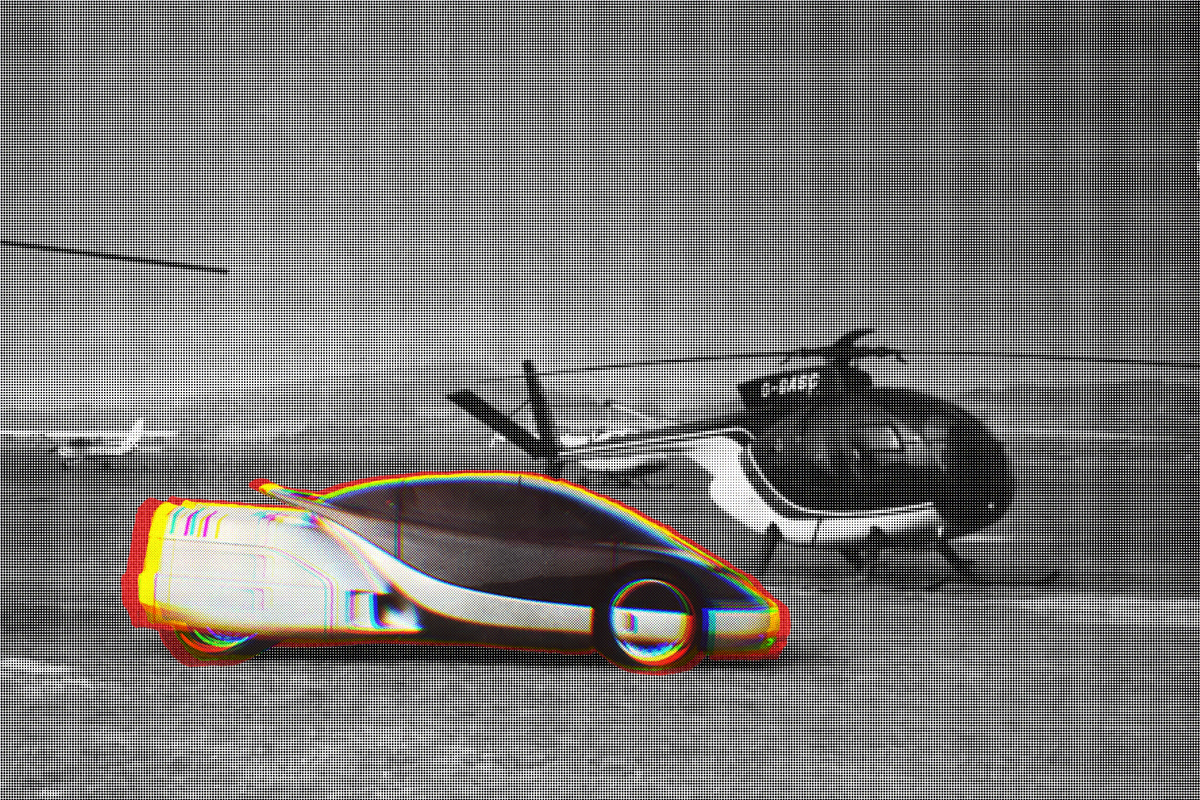
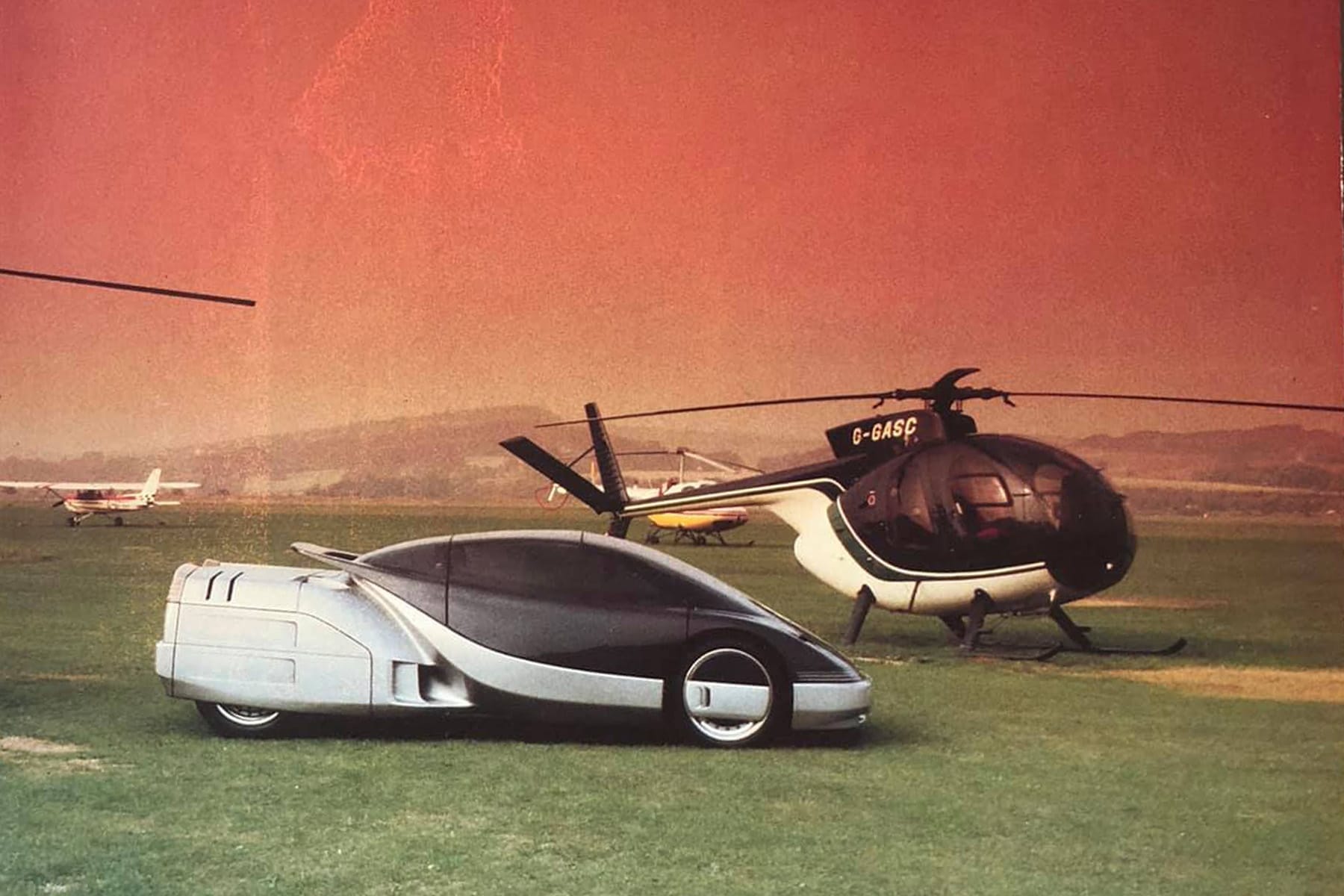
In 1986, to launch its design consultancy, IAD slipped the covers off of Alien at the Turin Motor Show.
People call this car "futuristic" but perhaps it's simply weird and polished. Almost every single one of its major design details, from the huge canopy-style doors to its digital dashboard, the sheathed mechanical parts (wheels, headlights, door handles) and organic-yet-advanced forms are more akin to extraterrestrial transportation.


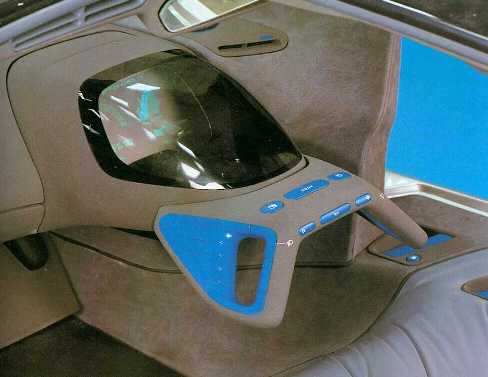
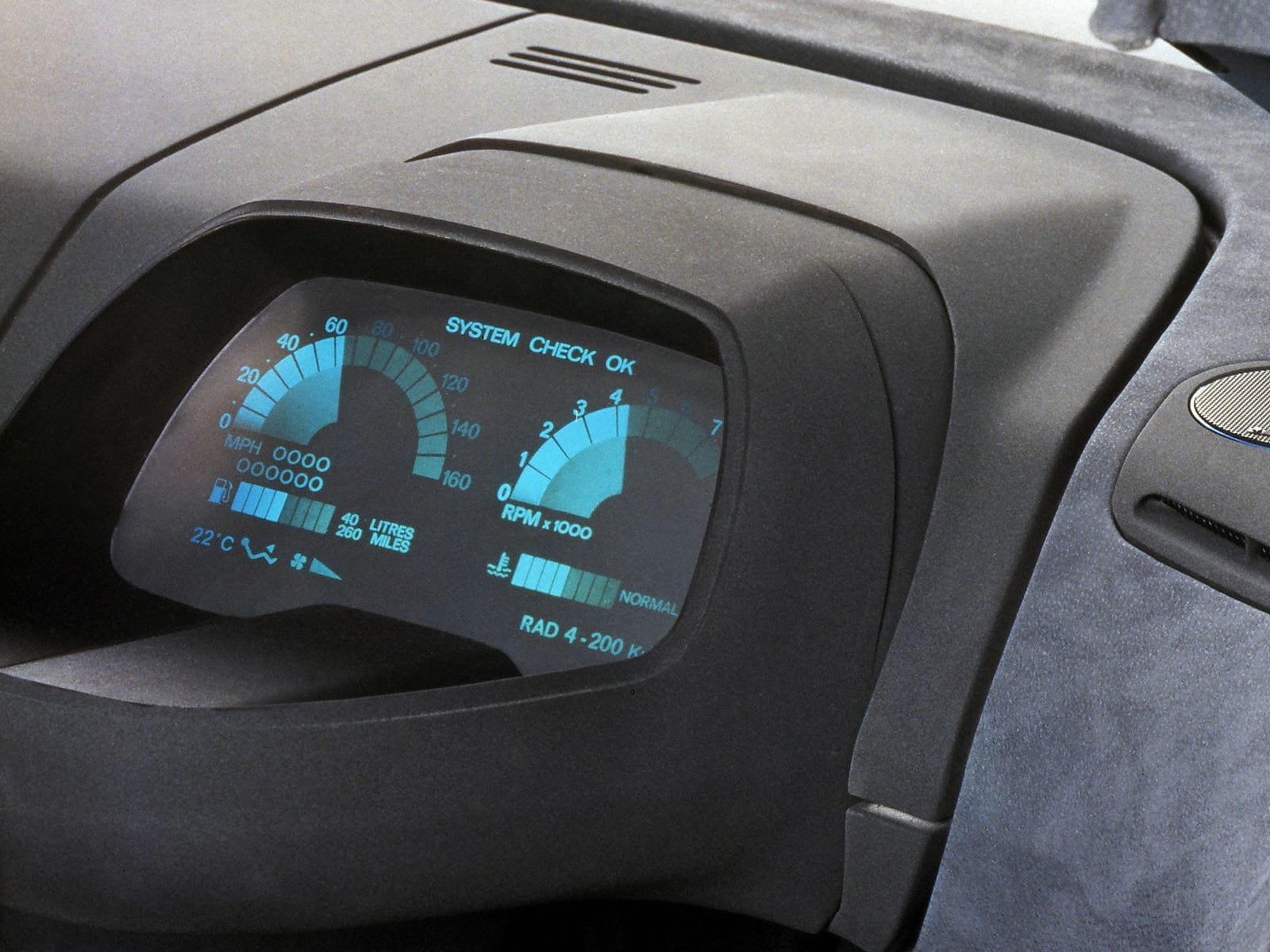
IAD Alien interior, with one of the most elegant yoke-style steering wheels we've never seen since… • IAD, carstyling.ru
Alien's first lines came from designer Martin Longmore, who says IAD had invited its designers to come up with something special enough to put the young consultancy on the world map. Period coverage specifically identifies Longmore as the exterior designer.
Unusually for a stylist, he had actually raced Formula Ford and Formula 3. Marcus Hotblack is also credited as part of the Alien design team.
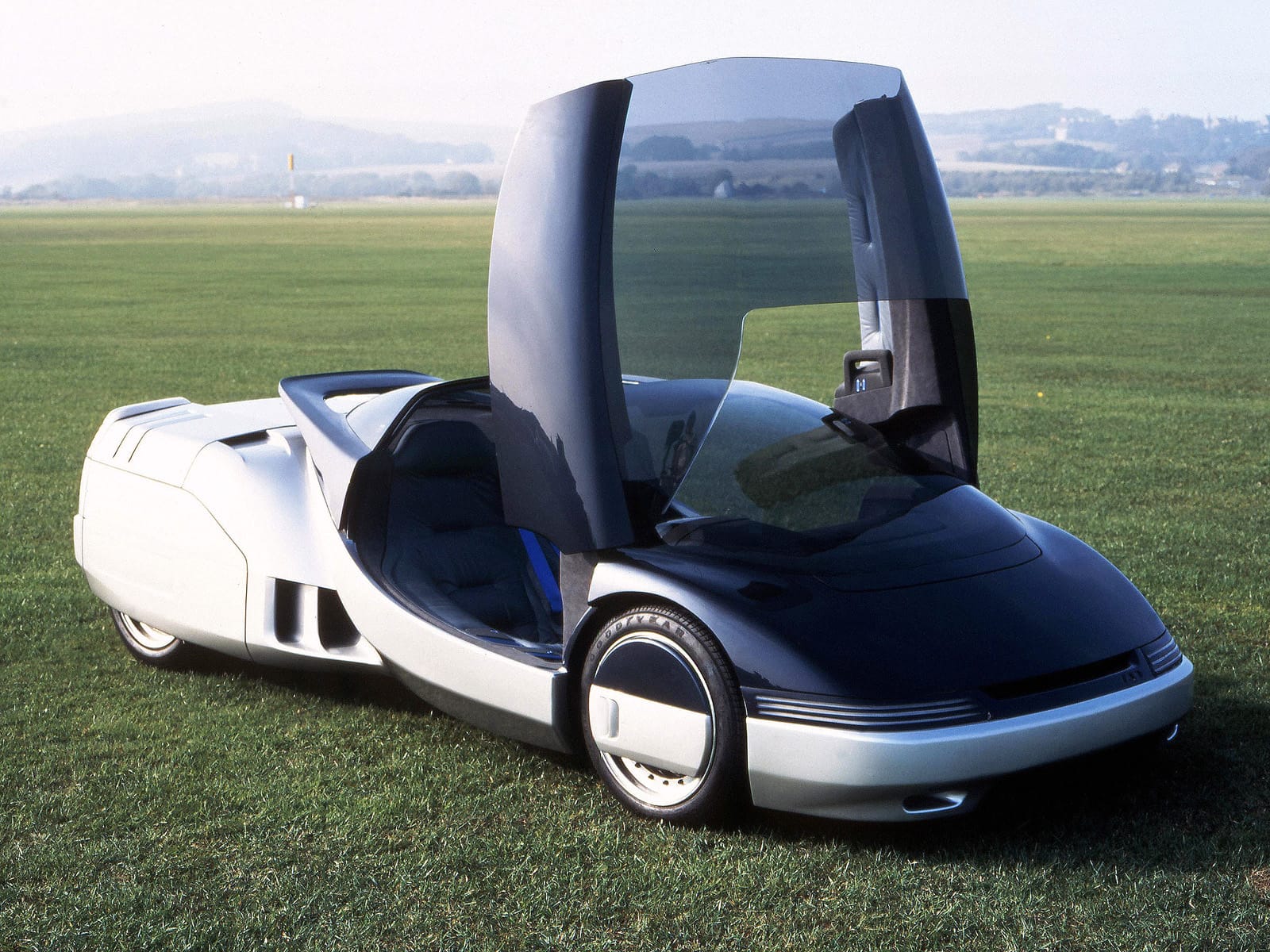
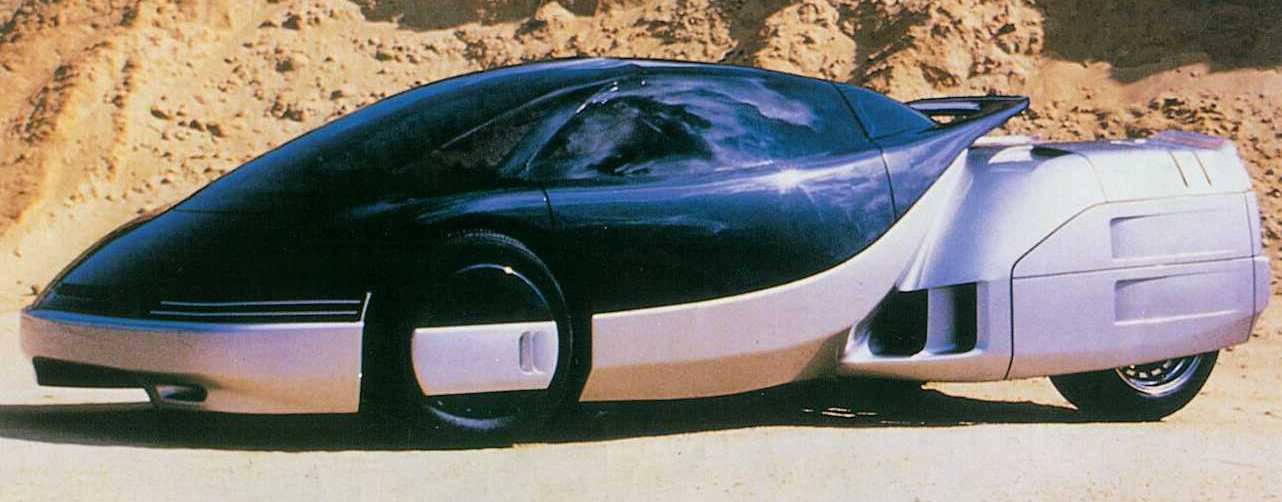
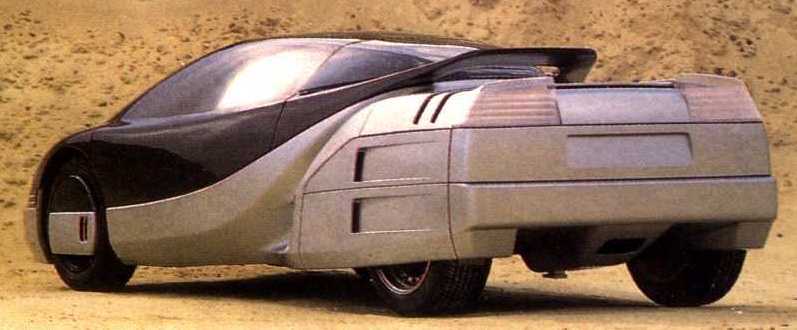
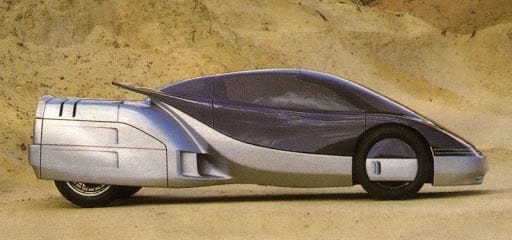
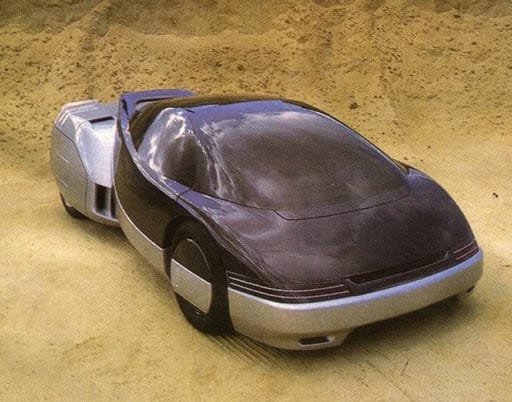
And this wasn't merely drawing fancy shapes around some conveniently available drivetrain. Alien was a non-running prototype built around the idea of keeping its mechanical package separate from the passenger cell. In theory, that meant an owner could swap the entire mid-mounted powertrain: perhaps a 1.6-litre four-cylinder for weekday duty, then a flat-six, V6, V8 or any manner of tire-shredding engines.
Alien was tiny by modern supercar standards: 3,690 mm long, 1,600 mm wide and just 1,070 mm tall, on a 2,390-mm wheelbase and 16-inch wheels. Its enclosed wheels were intended to reduce drag, with separate ducting to cool the brakes, while an integrated structure provided rollover and side-impact protection. Driver and passenger sat semi-reclined, facing a digital display and a central handlebar-like control packed with switches instead of a conventional steering wheel.
And the design sketches? Rad as hell.
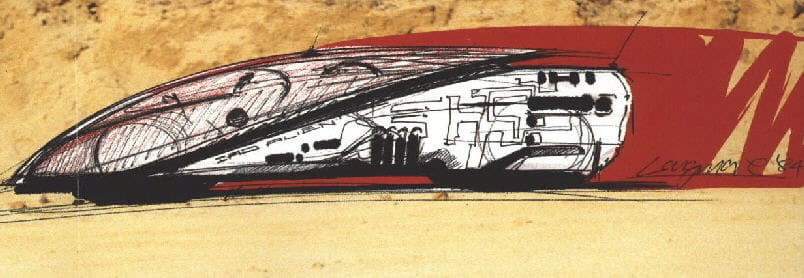
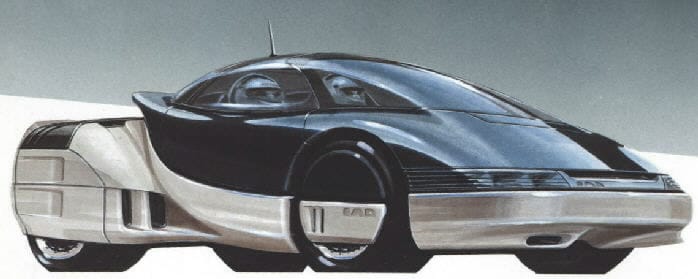
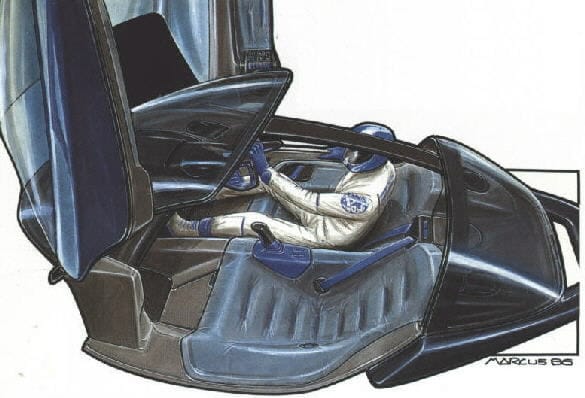
Did it put IAD on the map? Definitely. Did IAD survive? Definitely not.
Isn't it amazing, however, that the Alien's biggest impact on the world was probably in the gift bags, Christmas stockings, and shopping baskets once it became a scaled down Hot Wheels car?
When Mattel miniaturized it, Hot Wheels legend Larry Wood became the designer responsible for Alien's second life.
The big dream of revitalizing automotive design and dragging it toward alternative forms, construction methods, and technologies, distilled into a metal and plastic avatar that never materialized in full scale.
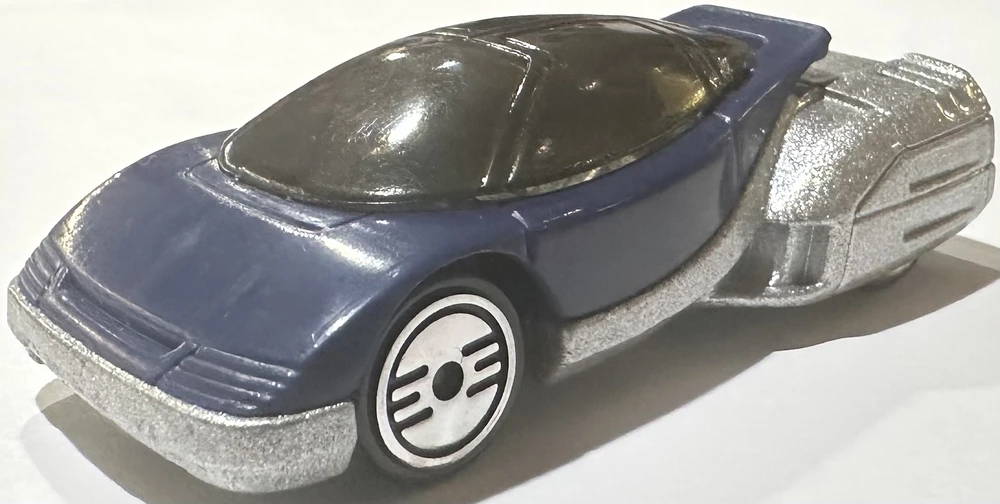
Once you read the comments of people who grew up with the small-scale Alien before launching themselves into design or engineering careers, you realize this concept may have failed as a real car but served as creative kindling in the minds of those who'd eventually build what comes next.
The future feels like tomorrow, until the moment you realize it already happened.
Sources
 Keith Adams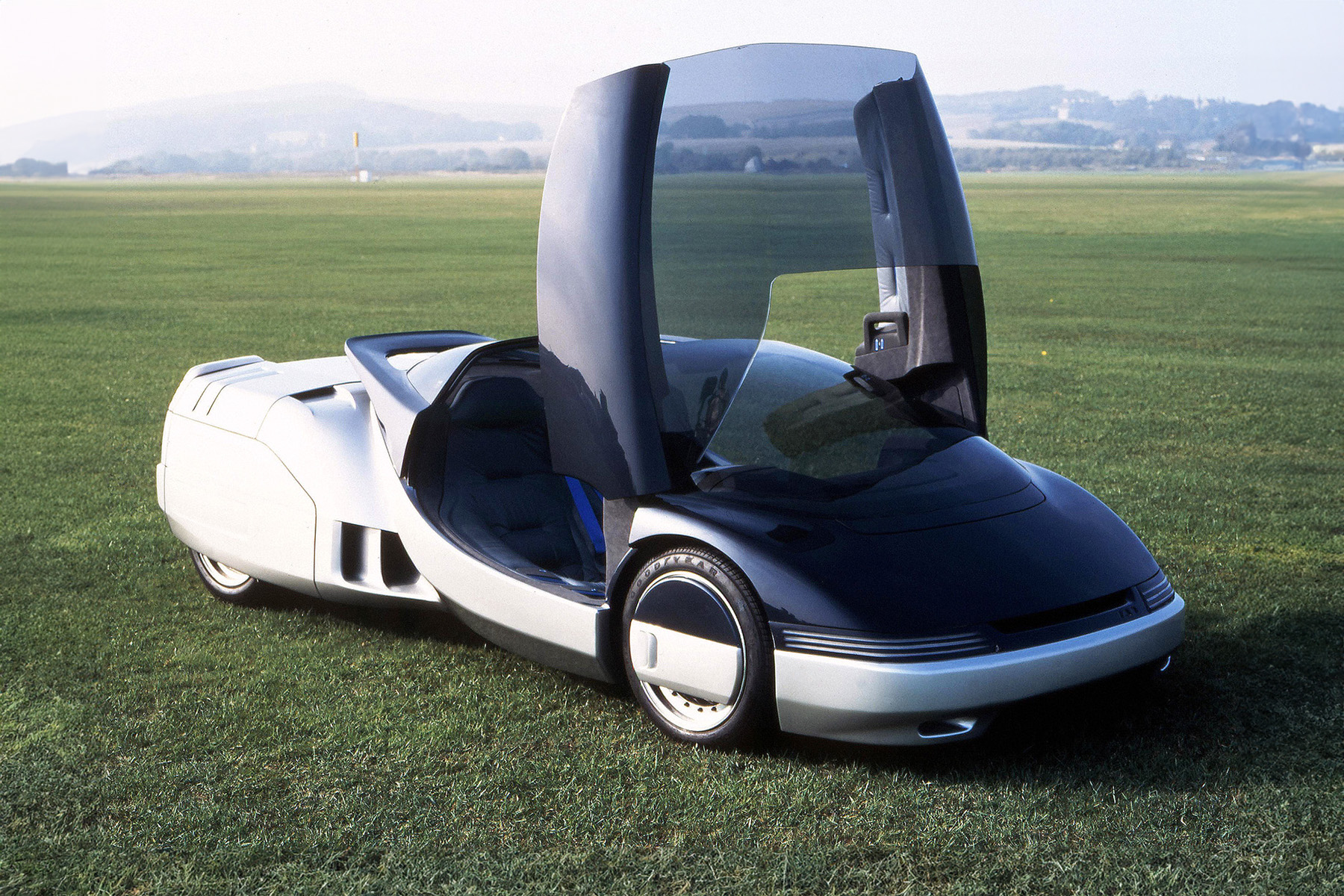
 Richard Dredge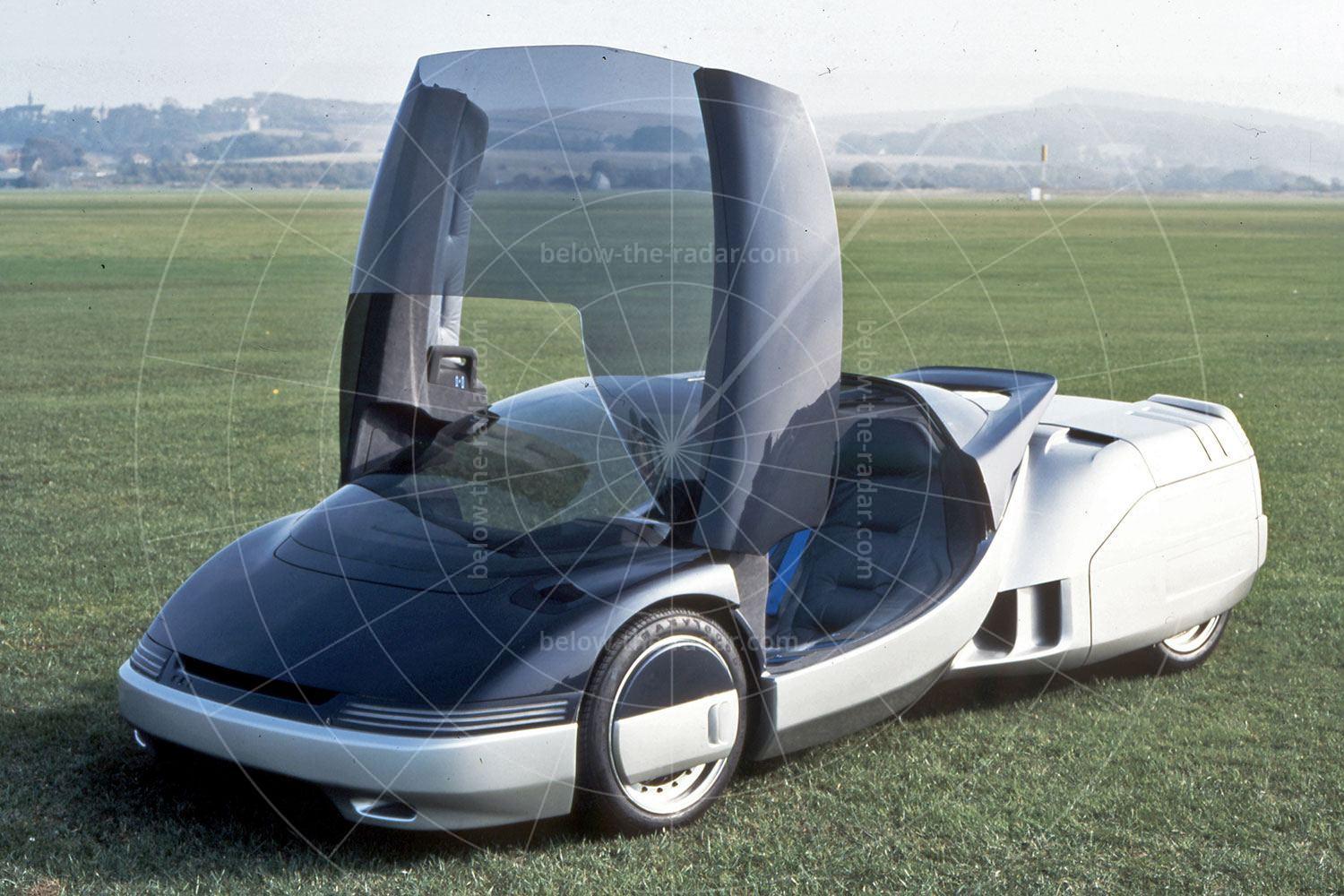
 Owen Ready null
 Story Cars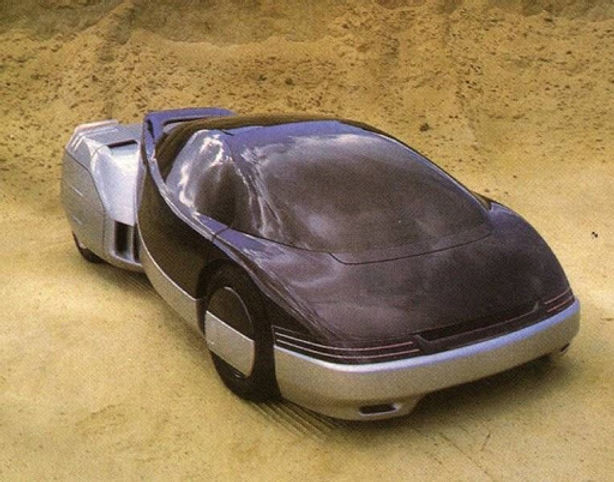
- The Mattel Hot Wheels Alien https://hotwheels.fandom.com/wiki/Alien
 Contributors to Wikimedia projects
 michael banovsky